 40代独身無職のゆる生活 Yuru Life Journal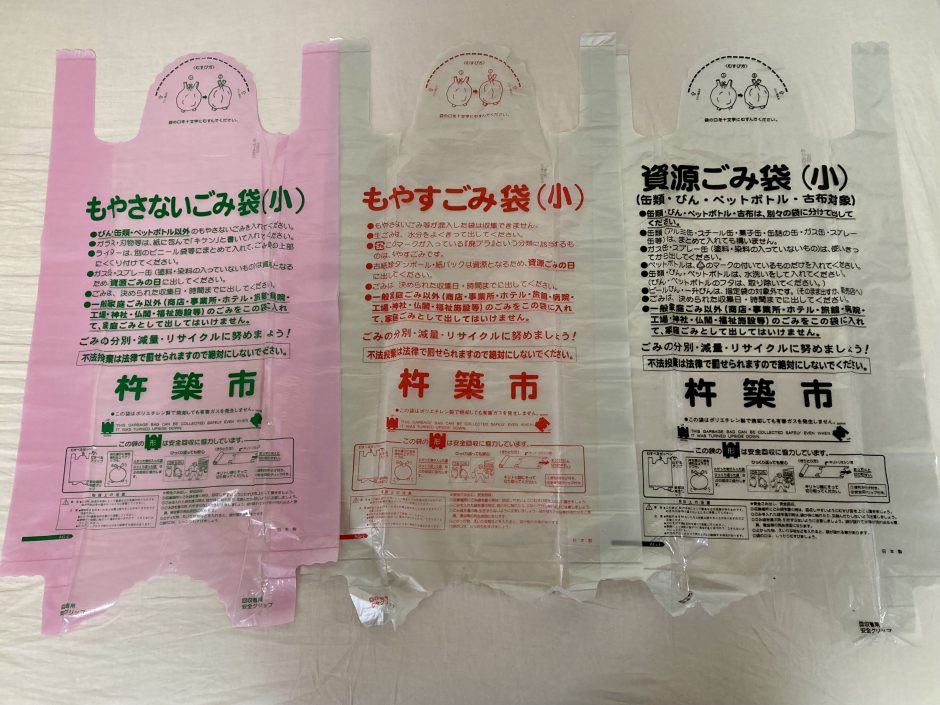

Introduction
When considering moving to a rural area, people tend to focus on housing and transportation, but one often overlooked factor is “garbage disposal rules.” Each municipality has different waste separation methods and designated garbage bag requirements, which can be confusing after relocation.
Having moved to Kitsuki City myself, I have experienced its garbage disposal rules firsthand. In Kitsuki City, using designated garbage bags is mandatory, and even plastic waste with the “plastic” mark is treated as burnable garbage. Additionally, garbage collection days vary by region, and residents must follow the calendar distributed annually by the city.
This article will explain Kitsuki City’s garbage disposal rules in detail and provide key points for starting your new life smoothly. I hope this will be helpful for those considering moving to Kitsuki City or those who have recently relocated.
Types and Prices of Designated Garbage Bags in Kitsuki City
In Kitsuki City, garbage must be disposed of using designated garbage bags, which can be purchased at convenience stores, supermarkets, and drugstores within the city. The bags are categorized into three types:
| Garbage Type | Size | Quantity | Price |
| Burnable Garbage | Large (40L) | 10 bags | 210 yen |
| Small (20L) | 20 bags | 210 yen | |
| Non-Burnable Garbage | Large (40L) | 10 bags | 210 yen |
| Small (20L) | 20 bags | 210 yen | |
| Recyclable Waste | Extra Large (70L) | 5 bags | 100 yen |
| Large (40L) | 10 bags | 100 yen | |
| Small (20L) | 20 bags | 100 yen |
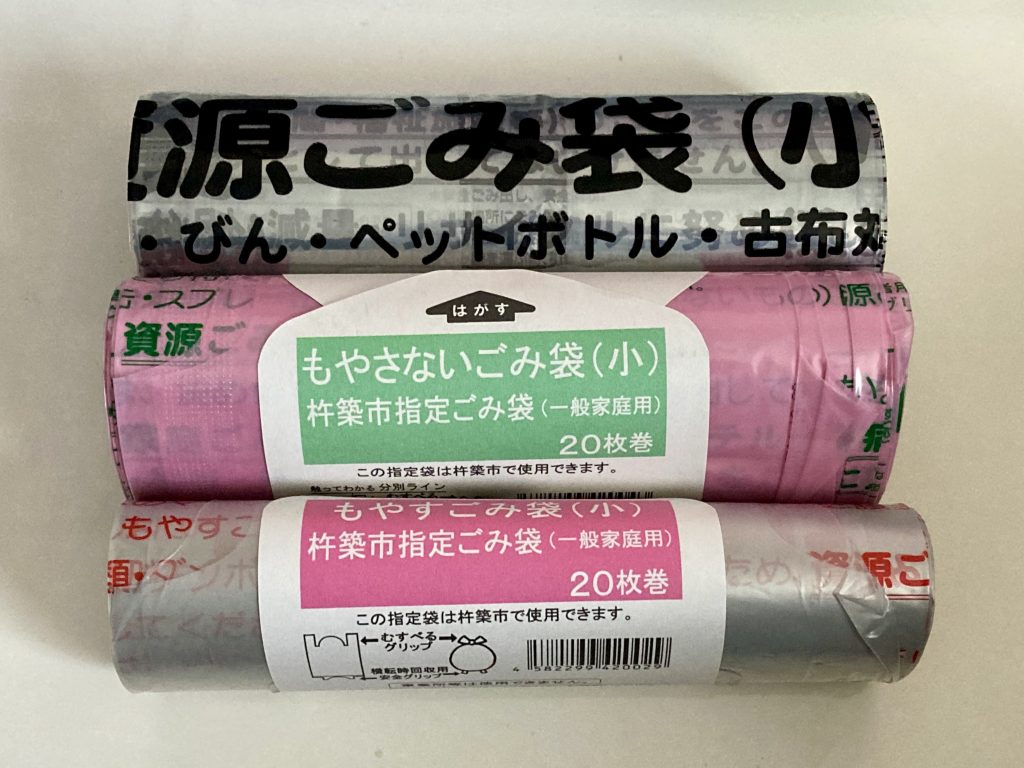
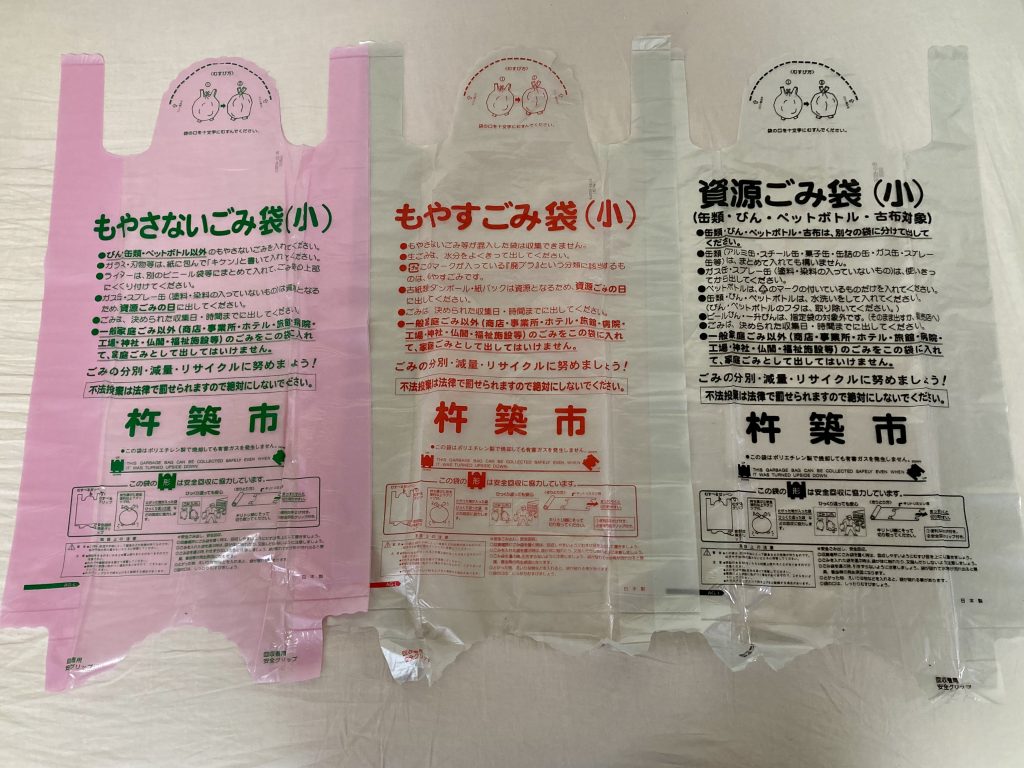
Kitsuki City’s designated garbage bags cost 21 yen per 40L bag for burnable waste, making them relatively inexpensive compared to other municipalities that also use designated garbage bags.
Garbage bag prices vary by municipality, with some cities charging over 100 yen per bag. In contrast, some areas, such as the 23 wards of Tokyo, do not require designated garbage bags, allowing residents to dispose of garbage for free. Even within Tokyo, the price differences are significant, such as in Fuchu City, where a 40L bag costs 80 yen.
Below is a comparison of garbage bag prices in various municipalities, along with the approximate annual cost for households that use two bags per week.
| Municipality | Garbage Bag Size | Price per Bag | Annual Cost (2 bags per week) |
| Obihiro, Hokkaido | Burnable (40L) | 120 yen | 12,480 yen |
| Fuchu, Tokyo | Burnable (40L) | 80 yen | 8,320 yen |
| Tokyo 23 Wards | No designated bag | 10 yen | 1,040 yen |
| Fukuoka City | Burnable (45L) | 45 yen | 4,680 yen |
| Oita City | Burnable (45L) | 31.5 yen | 3,276 yen |
| Kitsuki City | Burnable (40L) | 21 yen | 2,184 yen |
The number of bags used depends on household size and garbage volume. However, as seen in the table, whether the garbage bag price in Kitsuki City feels “cheap” or “expensive” depends on the area you are moving from.
For example, those moving from areas without designated garbage bags may find it an additional expense, whereas those coming from cities with higher-priced designated bags may find Kitsuki City’s system more economical.
Garbage Collection Days and Disposal Methods
n Kitsuki City, garbage collection days vary by region. Residents must follow the “Garbage Collection Calendar” distributed annually by the city.
For the specific collection schedule in each area, please refer to the Kitsuki City Garbage Collection Calendar (Reiwa 6 Household Waste).
- Burnable Garbage: Twice a week
- Recyclable Waste: Twice a month
- Non-Burnable Garbage: Once a month
- Bottles & Hazardous Waste: Once a month
Since collection days are designated by calendar dates rather than fixed weekdays, checking the schedule each year is necessary.
Garbage Disposal Rules
For detailed waste separation methods, please refer to the Kitsuki City Garbage Separation & Disposal Guide (Common to All Areas).
One surprising aspect of garbage disposal in Kitsuki City is that plastic waste with the “plastic” mark is treated as burnable garbage. In my previous municipality, such plastic waste was collected separately as recyclable waste, so this took some getting used to.
At first, I wondered, “Is burning plastic bad for the environment?” However, modern incineration technology has advanced, and it is scientifically established that burning waste at 800°C or higher prevents the release of harmful substances. Therefore, disposal methods vary depending on each municipality’s waste processing facilities.
Garbage from Kitsuki City is processed at the Fujigaya Waste Disposal Center (High-Efficiency Power Generation Facility) in Beppu City. This ensures that even plastic waste can be burned safely with minimal environmental impact.
Additionally, for residents, the reduced need for waste separation is a significant convenience.
Important Points to Remember
Here are some key points to keep in mind when disposing of garbage in Kitsuki City:
- Use designated garbage bags: Only designated bags sold at supermarkets, convenience stores, etc., are allowed.
- Check the Garbage Collection Calendar: Collection days vary by region, so always refer to the city’s annual calendar.
- Follow the collection time: Garbage must be placed out by 8:30 AM. It is best to take it out on the morning of collection day rather than the night before.
Conclusion
Kitsuki City’s garbage disposal rules have the following characteristics:
- Designated garbage bags are required, categorized into burnable, non-burnable, and recyclable waste.
- Plastic waste with the “plastic” mark is treated as burnable garbage, reducing the need for separation.
- Garbage bag prices are relatively low compared to the national average, making them less of a financial burden.
- Garbage must be disposed of according to the city’s collection calendar, which changes annually.
Garbage disposal rules vary by municipality. Understanding these rules in advance can reduce confusion and help you settle into your new life smoothly!