 40代独身無職のゆる生活 Yuru Life Journal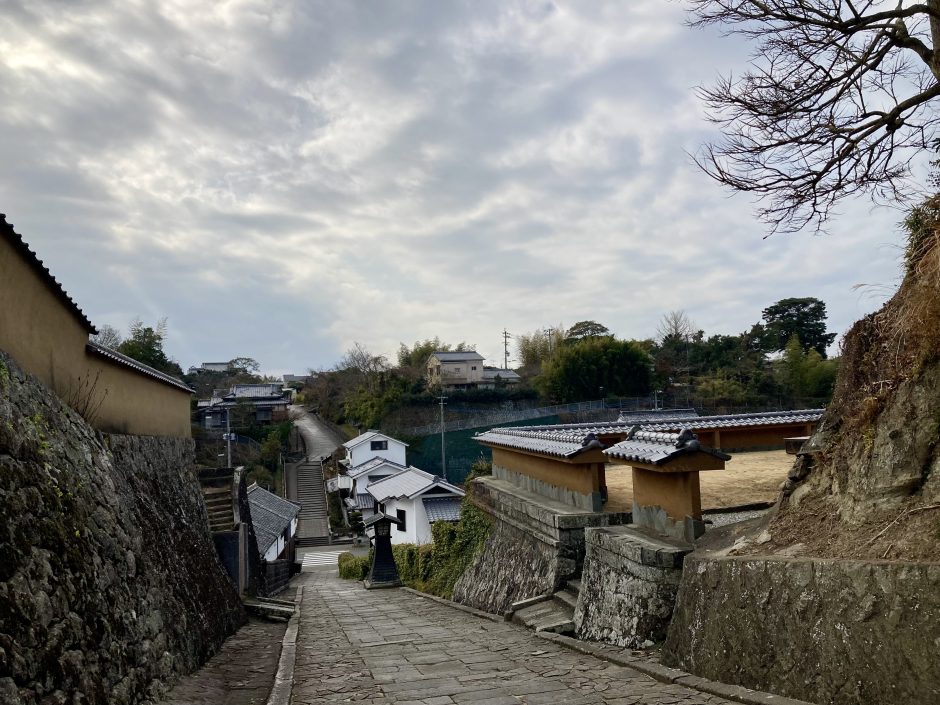

Kitsuki City is known as a prime destination for FIRE (Financial Independence, Retire Early) and semi-retirement. It is also said to have the most affordable rental prices in Japan. After moving here, I have summarized the benefits and drawbacks I personally experienced. While this article is based on my own experiences as a single resident relocating from the Tokyo metropolitan area, I hope it provides useful insights for those considering a move.
 The Ultimate FIRE & Semi-Retirement Haven! Kitsuki City, Oita – Japan’s Most Affordable Rent & Best Cost-Performance
5 Benefits of Living in Kitsuki
1. Exceptionally Low Cost of Living
One of Kitsuki’s biggest attractions is its incredibly low rent. Compared to urban areas like Tokyo, rent prices are less than half, allowing you to secure a spacious home at an affordable rate. There are plenty of rental options, making it easier to enjoy a comfortable lifestyle.
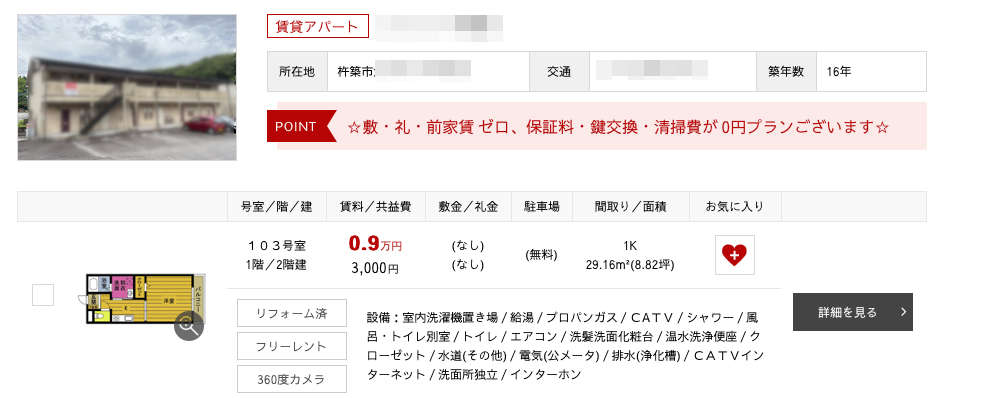
For instance, I was able to rent a 1K apartment with a separate bath and toilet, a parking space, and internet included for around 20,000 yen per month.
Some may worry about the internet speed in properties with free internet, but I’ve personally experienced speeds of around 100 Mbps, which is more than sufficient for streaming videos and remote work. This eliminates the need for an additional fiber-optic connection, saving on internet costs.
Additionally, it’s possible to keep monthly living expenses under 100,000 yen without much effort. While food prices are comparable to those in urban areas, fixed costs—especially rent—are significantly lower, reducing overall living expenses dramatically.
 Kitsuki City: A FIRE & Semi-Retirement Haven – Can You Rent Without a Job? My Relocation Experience
2. Convenient Shopping for Daily Necessities
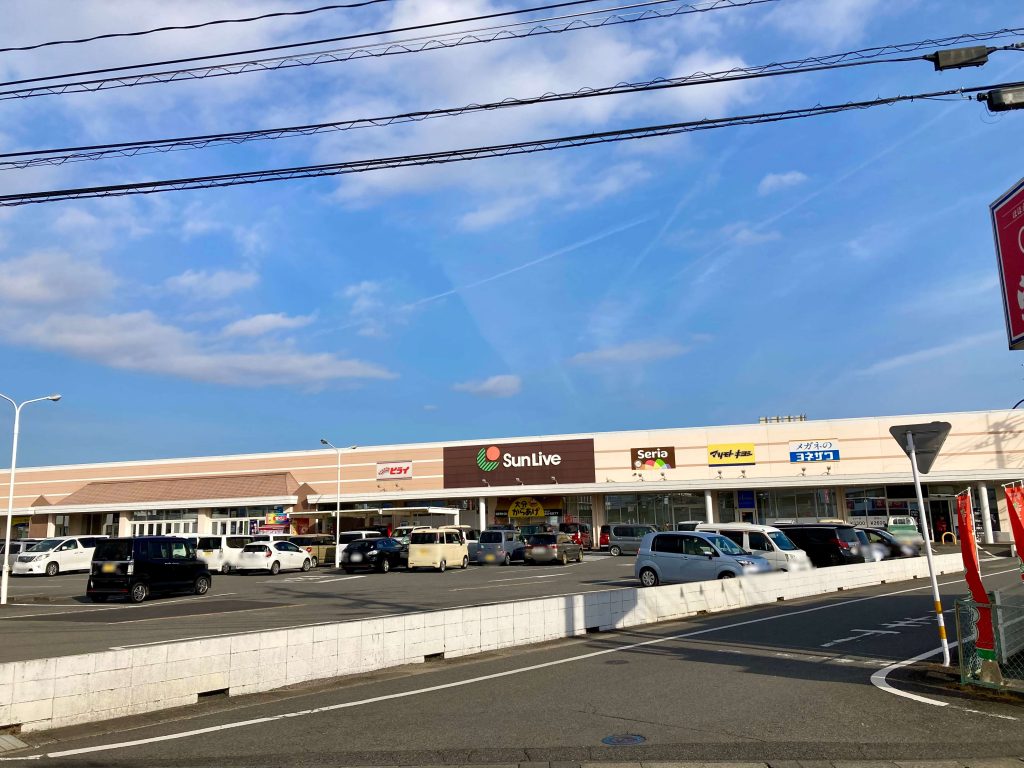
Kitsuki City has large supermarkets and drugstores, ensuring that residents have no trouble procuring daily essentials. These stores are spacious, well-stocked, and easy to navigate.
One of the biggest perks is the availability of fresh, locally sourced vegetables and seafood at reasonable prices. Not only can you find produce from Oita Prefecture, but also high-quality ingredients from all over Kyushu.
Additionally, the presence of home improvement stores and 100-yen shops makes everyday shopping even more convenient—sometimes even more so than in urban areas. With a bicycle, you can access most stores, making errands hassle-free.
3. A Quiet and Relaxing Environment
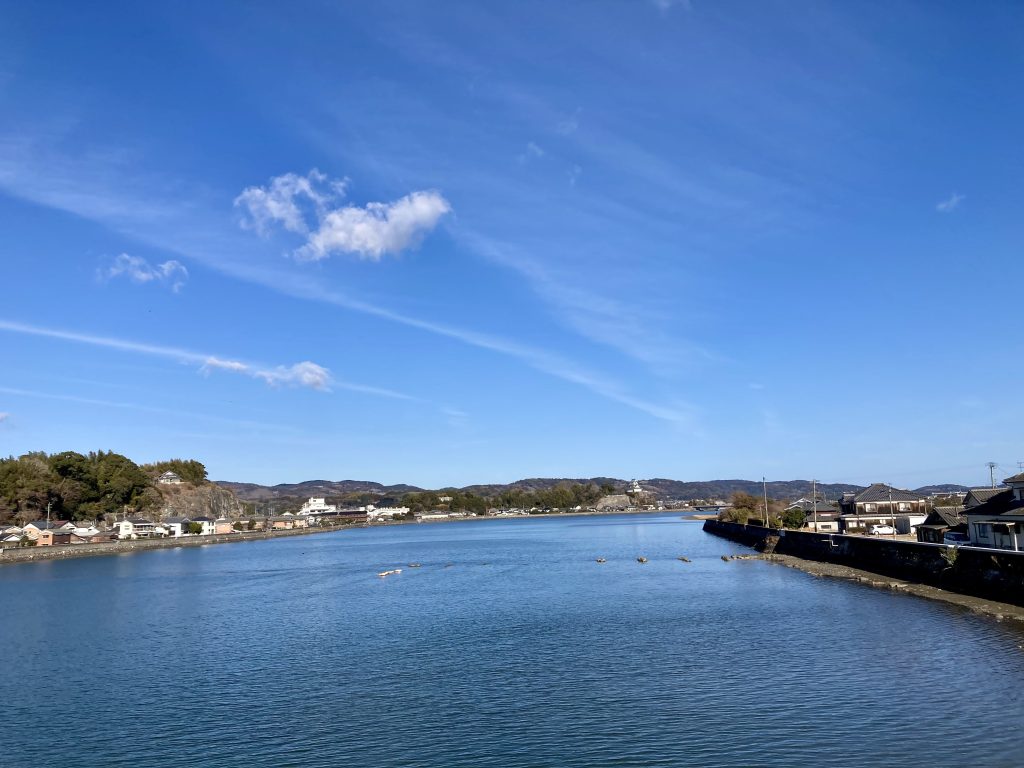
With a low population density, even popular tourist areas in Kitsuki rarely feel crowded. It’s an ideal environment for those looking to escape the hustle and bustle of city life and embrace a more relaxed pace.
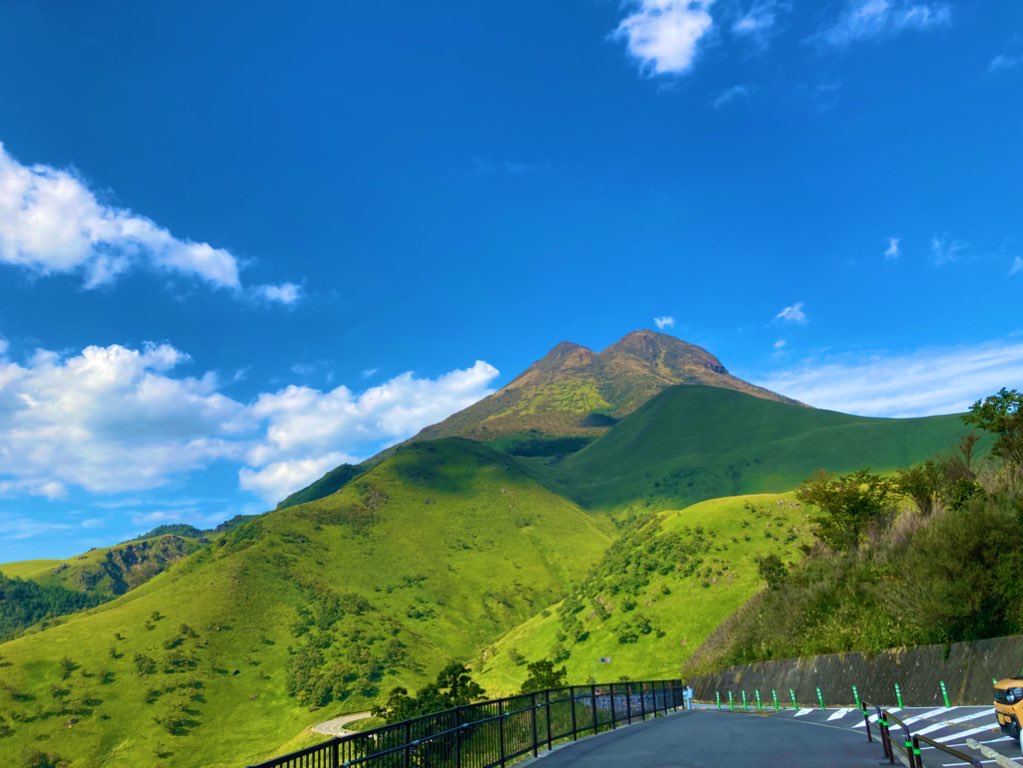
The roads are wide, and buildings are spaced apart, providing a sense of openness and comfort. Surrounded by both the sea and mountains, Kitsuki boasts abundant natural beauty. The stress of dealing with crowded spaces and traffic congestion—so common in cities—is virtually nonexistent, which has greatly improved my overall well-being.
Additionally, the lack of tall buildings means excellent sunlight exposure. I’ve found that waking up in the morning feels much more refreshing. Back in the city, I relied heavily on indoor drying racks and dryers, but here, I can easily air-dry my laundry outside on sunny days, which has been a surprisingly pleasant change.
4. A Town Rich in History and Charm
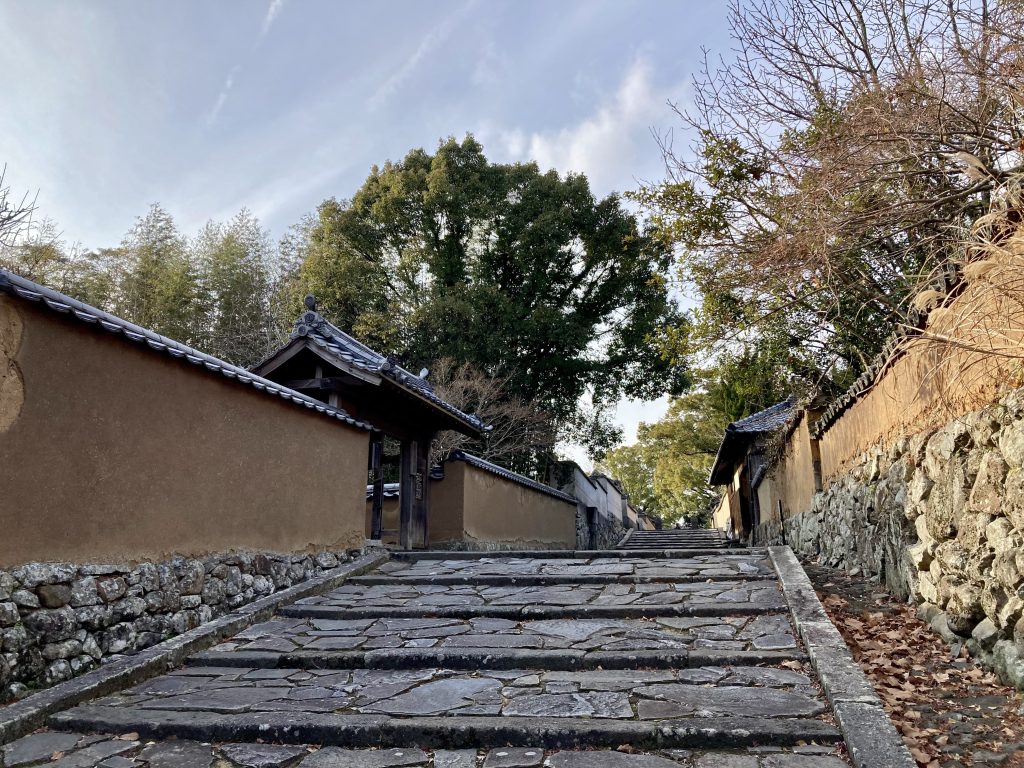
Kitsuki is famous for its beautifully preserved castle town atmosphere. With historical sites like Kitsuki Castle, cobblestone streets, and traditional architecture, simply strolling through the town feels like stepping back in time. The tranquil setting itself is a source of relaxation.
Even on weekends, the area rarely gets crowded, allowing visitors and residents alike to enjoy the historic ambiance at their own pace. For history enthusiasts, this city is especially appealing.
5. Stress-Free Driving and Convenient Access
Unlike urban areas, traffic congestion is almost nonexistent, making driving an enjoyable experience. Parking is readily available, and the overall stress of navigating through traffic is minimal.
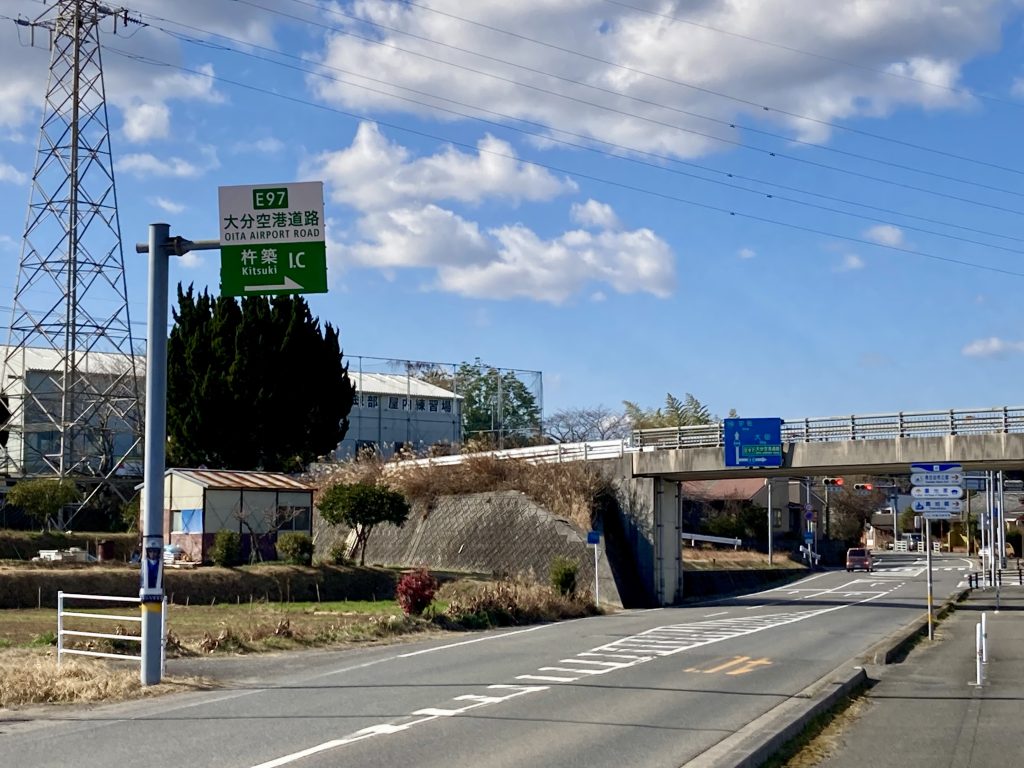
While Kitsuki itself is easy to get around, having a car also provides smooth access to Beppu and Oita Airport. Kyushu is rich in scenic routes and tourist attractions, making it a fantastic place for those who love road trips and touring. Additionally, the Kitsuki IC (Interchange) connects to a toll-free section of the expressway, allowing for affordable and convenient travel.
 [The Ultimate FIRE & Semi-Retirement Destination!] A Complete Guide to Living in Kitsuki, Oita Prefecture!
5 Downsides I Discovered After Moving to Kitsuki
1. Inconvenient Public Transportation
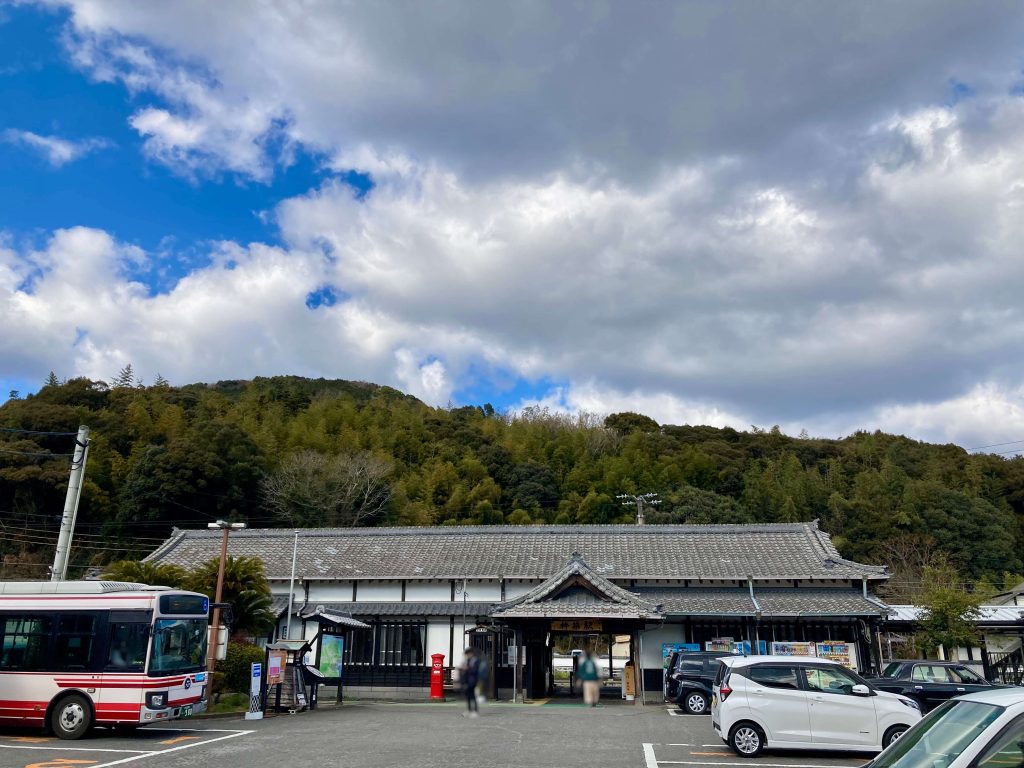
Kitsuki City has limited public transportation, making it inconvenient to get around without a car. While living in the city center doesn’t necessarily require one, certain administrative offices like the tax office and employment center are located in Beppu, meaning travel by bus or train can take time. Additionally, the number of train and bus services is quite limited, with only a few per hour. If you plan to use public transport regularly, owning a car would be more practical.
That said, with the increasing availability of online services using the My Number Card, many administrative procedures can now be done remotely, making this inconvenience more manageable.
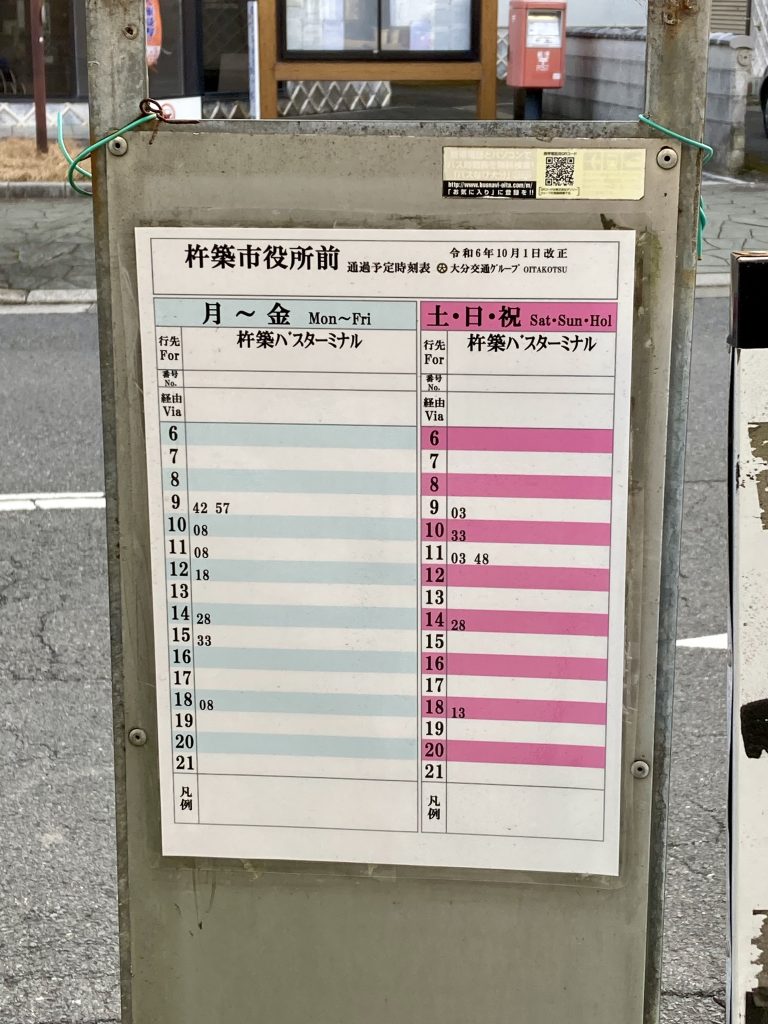
 Can You Live in Kitsuki Without a Car? A Complete Guide to Public Transportation Access
2. High Gasoline Prices
This isn’t unique to Kitsuki but applies to all of Oita Prefecture—gasoline prices tend to be slightly higher than the national average. Since most people rely on cars, travel distances can be long, making fuel consumption feel higher than expected.
For example, Beppu is about 25 km away, which takes around 30 minutes by car. However, a round trip means driving 50 km, adding up fuel costs. On the bright side, most rental properties in Kitsuki come with free parking, so unless you frequently take long trips, the overall cost of living remains relatively low.
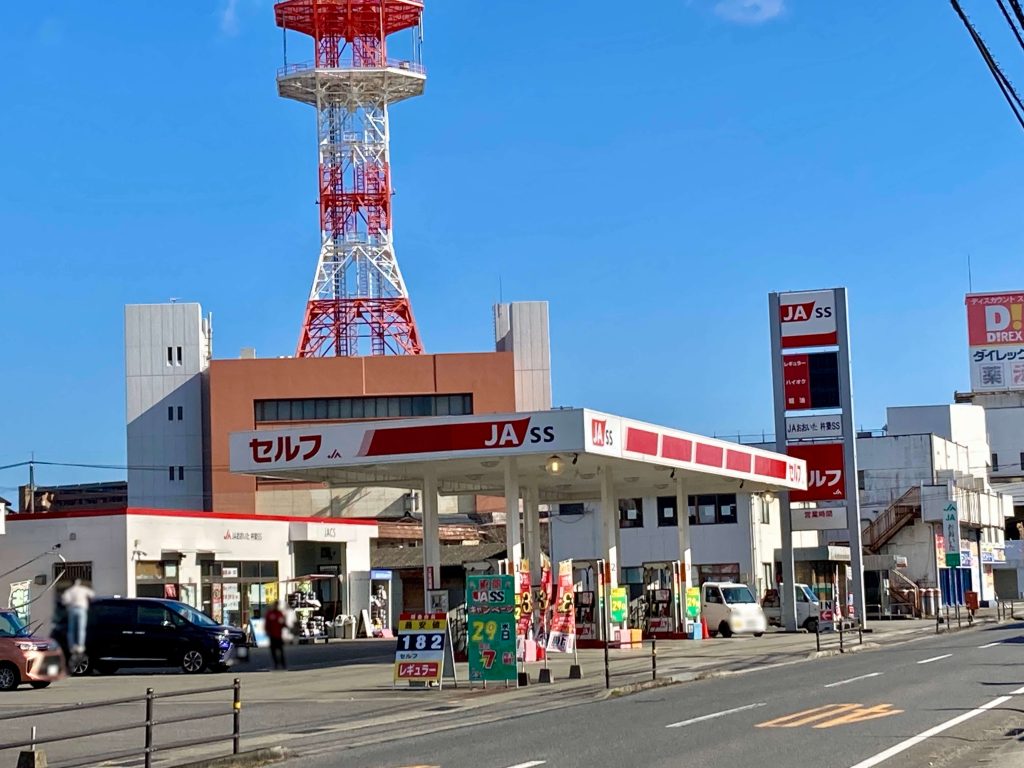
3. Widespread Use of Propane Gas
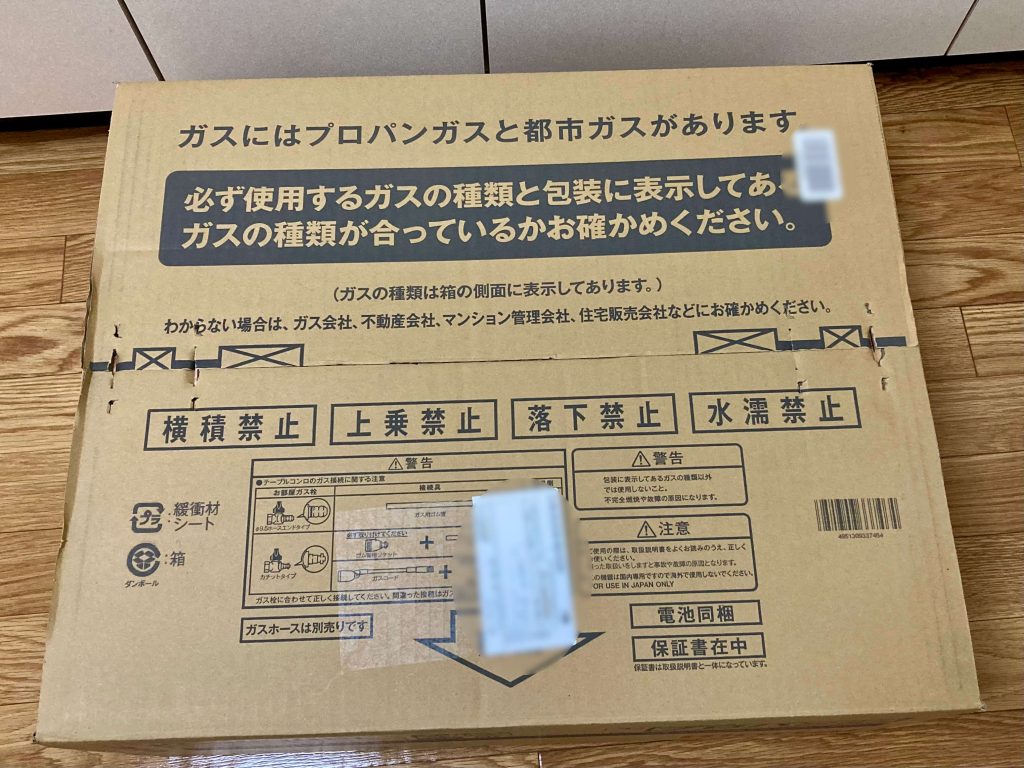
Most rental properties in Kitsuki use propane gas rather than city gas. Propane gas is generally 1.5 to 2 times more expensive than city gas, which can be surprising, especially in winter when gas usage increases. However, since fixed costs like rent and parking fees are much lower here, the overall financial burden is not as significant.
Personally, I had only used city gas before moving, so I didn’t realize that gas stoves for city gas and propane gas require different specifications. This meant I had to buy a new gas stove after moving, which was an unexpected expense. Fortunately, ordering one from Amazon got it delivered the next day, so I was able to handle it quickly.
4. Few Entertainment Facilities
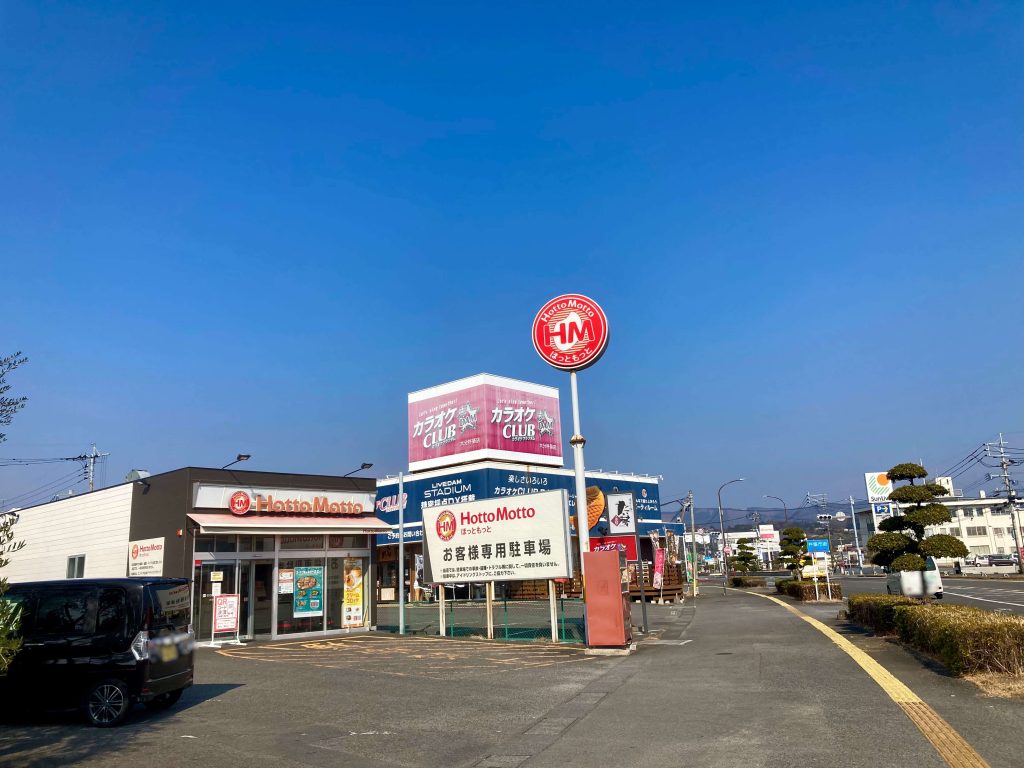
Kitsuki has few entertainment options, with no major shopping malls or movie theaters. If you’re used to urban life and enjoy frequent outings, you might find this a bit lacking. However, if you enjoy outdoor activities or rely on online shopping, this won’t be much of an issue.
One of the great benefits of living here is the quiet environment, which allows you to fully immerse yourself in your hobbies. If you want a change of pace, Beppu is just a short drive away and has larger shopping centers like Youme Town, as well as many hot springs for relaxation. Kitsuki itself also has a few hot spring facilities that serve as popular spots for locals to unwind.
5. Cold Winters and Strong Winds
Although Kyushu is generally known for its mild climate, winters in Kitsuki can be colder than expected. Before moving, I had the impression that Kyushu was warm year-round, but in reality, it can feel as cold—or even colder—than Kanagawa, where I used to live. It even snows occasionally, and if you’re traveling through the mountainous areas in winter, you need to be cautious.
Since Kitsuki faces Morie Bay, it is also exposed to sea winds, which can sometimes be quite strong. While the weather is usually calm, inland areas can still be affected on windy days. If you dry your laundry outside, it’s best to check the weather forecast beforehand to avoid any surprises.

Commonly Discussed Downsides of Rural Living
Social Interactions in the Countryside
It’s often said that “rural communities have tight-knit relationships” or that “participating in neighborhood associations is a hassle,” but so far, I haven’t felt any of that inconvenience. Even in an apartment setting, interactions with neighbors are minimal—just exchanging greetings in passing, similar to when I lived in an urban area.
As for neighborhood association fees, ¥500 is deducted along with my rent each month. I see it as a kind of local tax, so I don’t find it particularly bothersome. Other than that, I haven’t received any contact from the neighborhood association.
Can You Live Without a Car?
Is it possible to live in Kitsuki without a car? The short answer: absolutely. I’ve been managing just fine with a bicycle for most of my daily life. Supermarkets, drugstores, restaurants, and other essential facilities are all within biking distance, so I don’t feel any major inconvenience.
That said, when I need to travel to Beppu or Oita City for administrative procedures, I rely on buses or trains. While it’s possible to get by without a car, having one would undoubtedly provide more freedom and convenience.
Most residents in Kitsuki rely on cars, and pedestrians or cyclists are rare, apart from students. This is a typical rural scene, but if you’re self-conscious about standing out, driving a car might feel more comfortable.
Limited Job Opportunities
Full-time job openings in Kitsuki are quite limited, especially in specialized fields or office work. There are some opportunities in manufacturing and caregiving, but depending on your desired profession, you may need to consider jobs in nearby cities like Beppu, Oita, or around Oita Airport.
On the other hand, part-time job opportunities are relatively plentiful, making it an option for those who don’t need a high income. Additionally, with Kitsuki’s low cost of living, working remotely while living here or using the relaxed environment to focus on skill development and certifications is a viable option.

Conclusion
While living in Kitsuki comes with some inconveniences compared to city life, it’s possible to adapt and live comfortably with a bit of ingenuity. Public transportation limitations, higher gas prices, and fewer job opportunities are some downsides, but these are balanced out by lower rent and the absence of parking fees, making overall living costs more manageable.
Concerns about “rural community obligations” turned out to be largely unfounded, as social interactions feel much the same as in an urban setting. A bicycle is enough for daily errands, and long-distance travel can be covered by buses or trains.
For those looking for a peaceful life surrounded by nature, Kitsuki offers a compelling choice.