 40代独身無職のゆる生活 Yuru Life Journal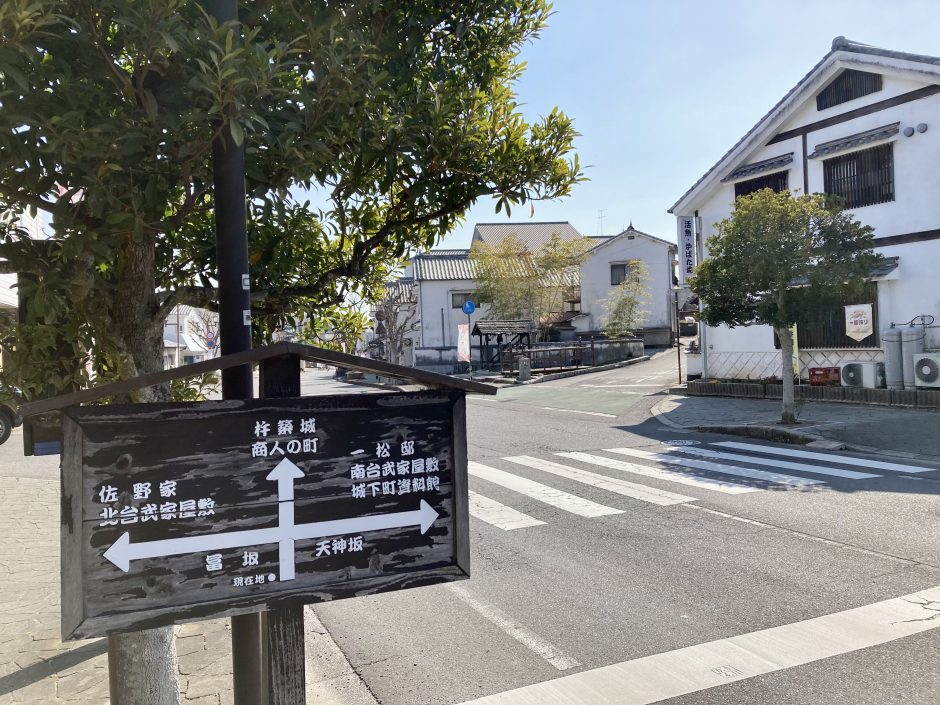

- Introduction: Why I Decided to Relocate
- Major Differences in Living Costs: Key Savings on Rent, Parking, and Internet
- Food & Utility Costs: Not Much Change Even in Rural Areas
- A Car Isn’t Essential If You Live in Kitsuki’s City Center
- Income After Moving & Future Work Flexibility
- Summary: Total Savings from Moving to Kitsuki
Introduction: Why I Decided to Relocate
I used to live in Kanagawa while commuting to Tokyo for work. Although I had no financial difficulties, I found myself increasingly stressed by packed trains, crowds, and traffic congestion. As my days revolved around work, I started questioning, “Do I really want to continue this lifestyle?”
As I grew older, my interests and values shifted. Going out to bustling city centers once felt exciting, but now, I found myself longing for a quieter, more relaxed environment.
That’s when I began seriously considering relocating to the countryside. With the rise of remote work, commuting was no longer a necessity, making it possible to live and work comfortably outside major cities. I started looking for a place where I could reduce my living costs and enjoy a more spacious and peaceful lifestyle.
Ultimately, I chose Kitsuki City in Oita Prefecture—one of the most affordable places to live in Japan.
So, how much did my living expenses change after moving? Let me share my real-life experience!
 The Ultimate FIRE & Semi-Retirement Haven! Kitsuki City, Oita – Japan’s Most Affordable Rent & Best Cost-Performance
Major Differences in Living Costs: Key Savings on Rent, Parking, and Internet
One of the first things I noticed after relocating was the significant reduction in fixed expenses. Rent, parking fees, and internet costs are drastically cheaper compared to the Tokyo metropolitan area. Now, I can comfortably live on less than 100,000 yen per month, something that would have been impossible in my previous urban lifestyle.
Comparison of Monthly Expenses: Kanagawa vs. Kitsuki
| Expense | Kanagawa (Tokyo Commute) | Kitsuki City | Difference |
| Rent | 84,000yen (1LDK, 40m²) | 20,000円 (1K, 27m²) | -64,000yen |
| Parking | 7,000yen | 0yen | -7,000yen |
| Internet | 5,000yen(Fiber Optic) | 0円(Fiber Optic, some speed limits) | -5,000yen |
| Groceries | 40,000yen | 35,000yen | -5,000yen |
| Daily Necessities | 5,000yen | 5,000yen | 0yen |
| Water | 1,400yen | 1,400yen | 0yen |
| Electricity | 5,000yen | 5,000yen | 0yen |
| Gas | 2,500yen (City Gas) | 5,000yen (Propane Gas) | +2,500yen |
| Gasoline | 5,000yen | 5,500yen | +500yen |
| Mobile Phone | 1,200yen | 1,200yen | 0yen |
| Miscellaneous (Entertainment, etc.) | 20,000yen | 15,000yen | -5,000yen |
| Total | 176,100yen | 93,100yen | -83,000yen |
Significant Rent Savings in Kitsuki
In Kanagawa, I lived in a 1LDK (40m²) apartment, which felt a bit too spacious for a single person. After moving to Kitsuki, I downsized to a 1K (27m²) apartment, significantly cutting costs while still enjoying a comfortable living space.
When people hear “1K,” they often imagine the cramped layouts typical of urban apartments, where placing a bed leaves almost no room to move. However, in Kitsuki, most 1K apartments are over 26m², offering enough space to live comfortably without feeling restricted.
Compared to the average 1K rent in Kanagawa (~60,000 yen), I’m now paying only one-third of that—a huge reduction in living costs. If you prioritize affordability and comfort over unnecessary space, moving to a rural area could be a game-changer.
Free Parking = A Huge Cost Saver
In Kanagawa, I used to pay 7,000 yen per month for parking. In Kitsuki, many rental properties include free parking, completely eliminating this cost.
In urban areas, it’s common to pay over 10,000 yen per month for a parking spot, making car ownership a significant financial burden. In contrast, having free parking in Kitsuki makes owning a car much more affordable, which is essential for a rural lifestyle.
For those who have avoided getting a car due to high parking costs in the city, moving to the countryside could be an ideal solution.
Free Internet: Another Unexpected Perk
Another major benefit of moving to Kitsuki is that many rental properties offer free fiber-optic internet. In Kanagawa, I used to pay 5,000 yen per month for high-speed internet, but now, it’s completely free.
Some properties have speed limits (around 100Mbps), but for most tasks—including streaming videos and remote work—it’s perfectly sufficient. If higher speeds are needed, you can always upgrade to a premium plan at an additional cost.
- Rent is about 1/3 of the price in Kanagawa
- Parking is free
- Many properties offer free fiber-optic internet (with speed limits)
With such a significant decrease in fixed expenses, I immediately felt the financial benefits of relocating.
 [Personal Experience] Moving Alone to Kitsuki City, Oita! Pros & Cons of Affordable Rent and Living Environment
Food & Utility Costs: Not Much Change Even in Rural Areas
I initially expected food costs to drop significantly after moving to the countryside. However, in reality, the difference was not as drastic as I had imagined.
Supermarket prices are almost the same as in urban areas, especially for processed foods and seasonings. The main advantage is that locally grown vegetables and fresh seafood are more affordable and readily available, making it easier to buy high-quality ingredients at a lower price.
Dining out options are limited compared to cities, with fewer chain restaurants. As a result, I naturally started cooking at home more often, which helped reduce food expenses. That said, Kitsuki has some great local restaurants, but since it is also a tourist destination, eating out isn’t always exceptionally cheap.
One unexpected downside was higher gas bills. Unlike urban areas where city gas is common and relatively affordable, propane gas is the norm in rural areas, making it more expensive. This is especially noticeable in winter when gas usage increases for heating and hot water.
Ultimately, food and utility costs depend on lifestyle choices. Many of these expenses can be minimized even in urban areas, so moving to the countryside doesn’t automatically mean dramatically lower costs.
- Supermarket prices are similar to urban areas.
- More home cooking due to fewer dining options.
- Higher utility costs in winter due to propane gas.
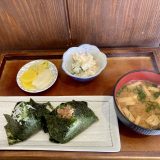
 Recommended Lunch in Kitsuki: Savor Oita’s Iconic Tori-Ten Set Meal at Yokokutei!
A Car Isn’t Essential If You Live in Kitsuki’s City Center
If you live in the central area of Kitsuki, a bicycle is enough for daily life. Essential facilities like supermarkets, the post office, and city hall are conveniently located within walking or cycling distance, making a car optional rather than necessary.
While gasoline prices are slightly higher than in urban areas, the need to drive decreases. Back in the city, I used to take frequent trips to relax, but in Kitsuki, the quiet atmosphere and natural surroundings make everyday life feel more peaceful. As a result, I spend less on travel and transportation, leading to a simpler and more cost-effective lifestyle.
- A bicycle is enough for daily errands in the city center.
- Gasoline is slightly more expensive, but car usage is lower.
- Less need for travel, leading to additional savings.
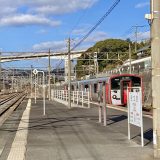 Can You Live in Kitsuki Without a Car? A Complete Guide to Public Transportation Access
Income After Moving & Future Work Flexibility
Currently, I don’t need to work immediately since I have savings. Additionally, I earn some income through blogging and investments, allowing me to live comfortably without financial stress.
With the rise of remote work and AI-driven opportunities, it’s becoming easier to earn money independently, without being tied to a specific location. Living in a rural area with lower costs means I don’t have to work long hours. Instead, I can focus on what’s truly important—working just enough to cover my needs and enjoying more free time. This flexibility is one of the biggest advantages of rural living.
- Savings + passive income allow for a relaxed lifestyle.
- Remote work and AI advancements provide more job flexibility.
- Lower living costs reduce the need for full-time work.
Summary: Total Savings from Moving to Kitsuki
- Fixed costs (rent, parking, internet) dropped significantly!
- Food and utility costs didn’t change as much—self-sufficiency is key.
- Monthly savings: 83,000 yen → Yearly savings: about 1 million yen!
Thanks to these savings, I’ve been able to achieve a comfortable, stress-free lifestyle without spending a fortune. If you’re considering relocating to the countryside, I hope this helps you make an informed decision!