 40代独身無職のゆる生活 Yuru Life Journal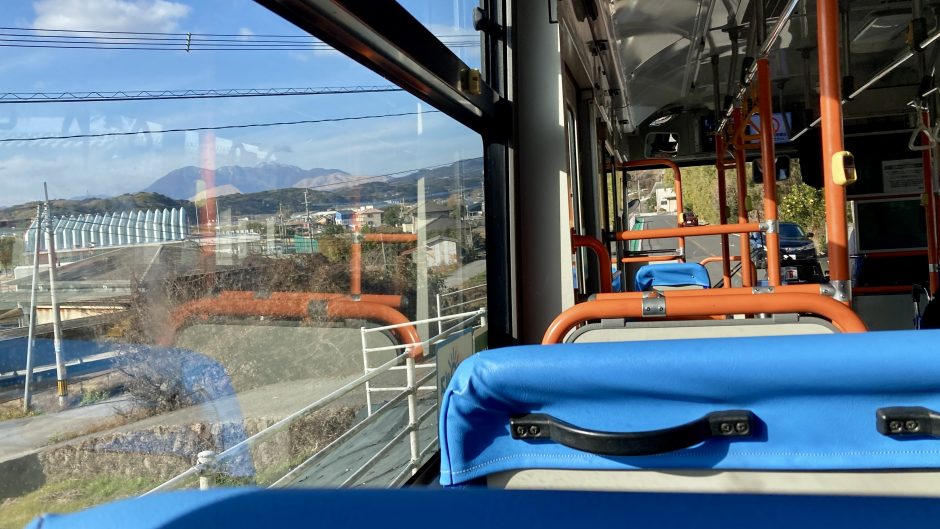

In our previous blog post, “Can You Live in Kitsuki Without a Car? A Complete Guide to Public Transportation Access“ we explored whether life without a car is feasible in Kitsuki, Japan’s most affordable city for rent. This time, we put that theory into practice by traveling from the city center to Beppu, a famous hot spring destination, using only buses and trains. In this article, we’ll provide detailed insights into transportation options, travel time, and key points to keep in mind.
Route Overview
For this trip, I took a bus from Kitsuki’s city center to JR Kitsuki Station, then transferred to the JR Nippo Main Line to reach Beppu. The return journey followed the same route, using a combination of train and bus. This trip was conducted on a weekday.
Outbound Route (Kitsuki → Beppu)
Bus: Shinmichi (Bus Stop) → JR Kitsuki Station (Kunisaki Kanko Bus, via Shinmichi route)
Train: JR Kitsuki Station → Beppu Station (JR Nippo Main Line)
Return Route (Beppu → Kitsuki)
Train: Beppu Station → JR Kitsuki Station (JR Nippo Main Line)
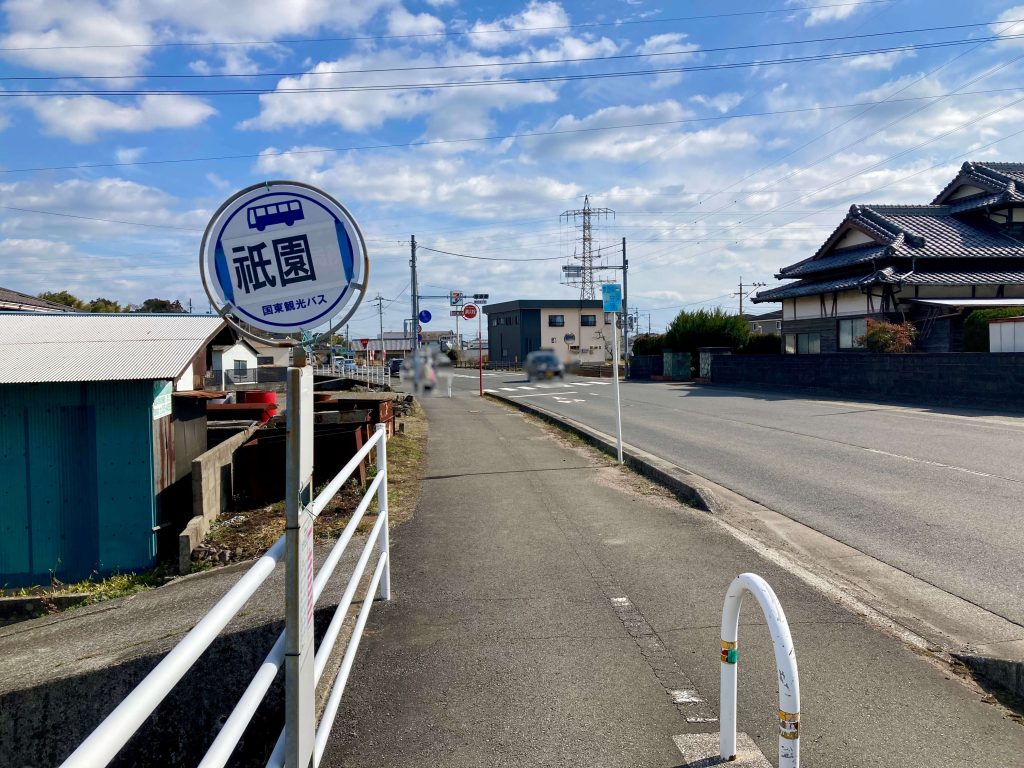
Bus: JR Kitsuki Station → Gion (Bus Stop) (Kunisaki Kanko Bus, via Nakahira route)
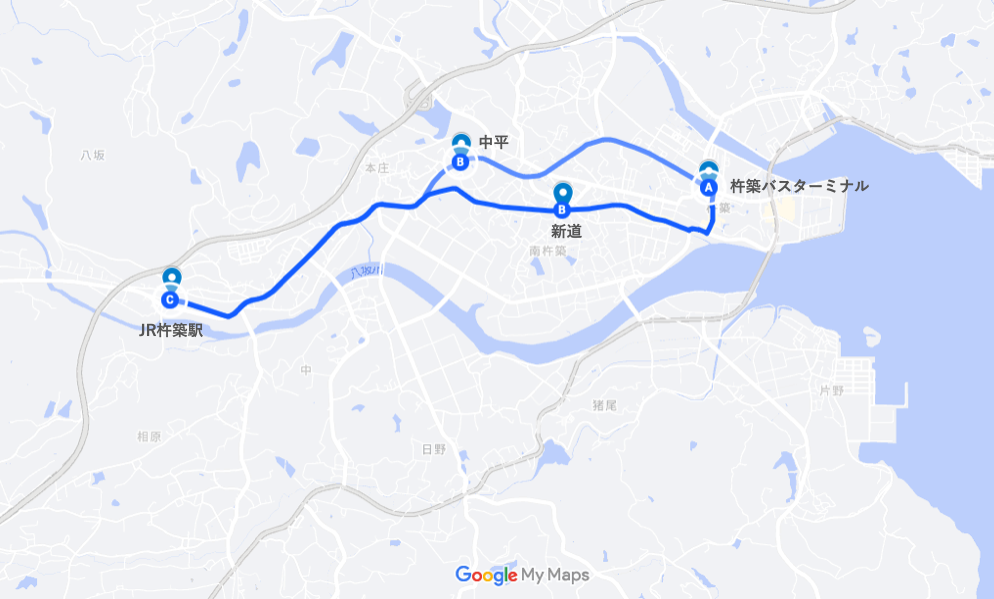
You can travel smoothly from JR Kitsuki Station to Beppu without any transfers by taking the JR Nippo Main Line.
Bus Ride to JR Kitsuki Station
There are two bus routes to JR Kitsuki Station: the Shinmichi Route, which passes through administrative and tourist areas, and the Nakahira Route, which follows Prefectural Route 49. The operating route varies depending on the time of day. For this trip, I took the 9:08 AM Shinmichi Route bus from the Shinmichi bus stop.
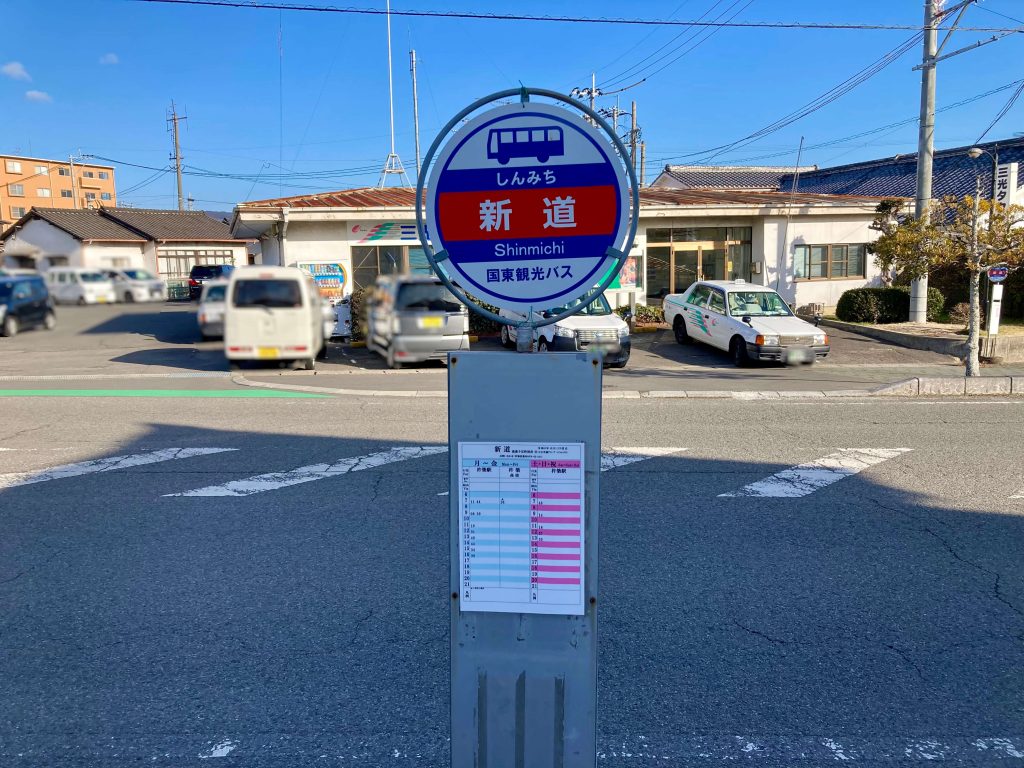
Since I had some time before departure, I stopped by the nearby Lawson convenience store to grab a sweet bun and a drink. The store has an eat-in space, making it a convenient place to wait if you arrive early.
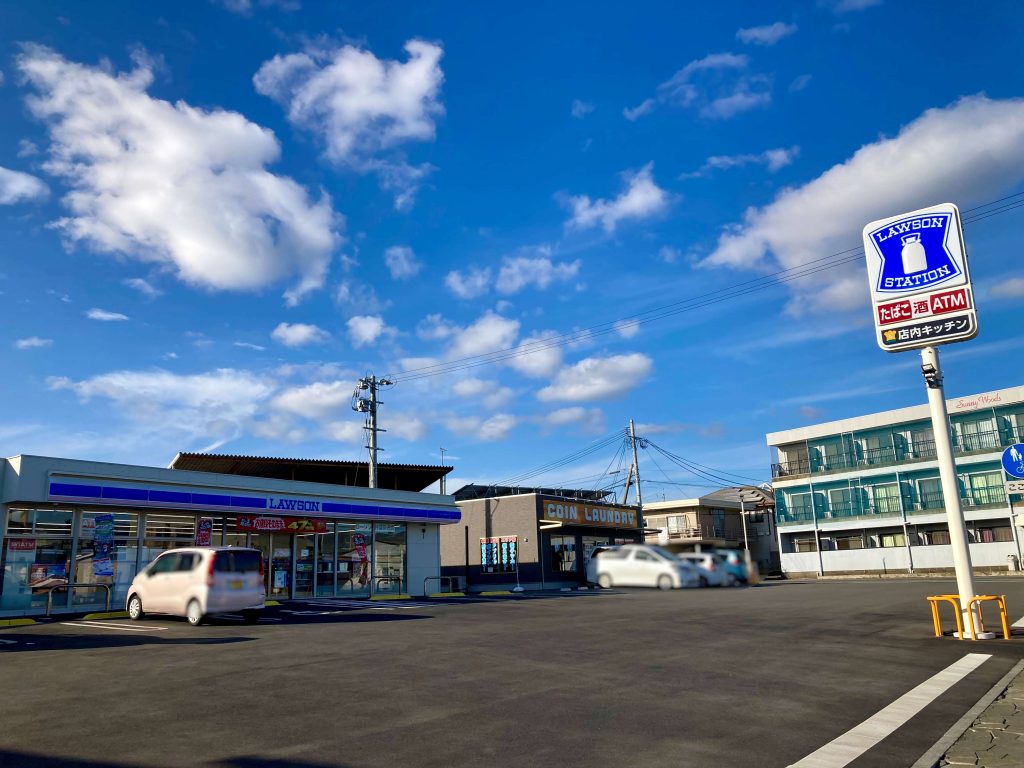
The bus arrived precisely on schedule at 9:08 AM. Kitsuki has little to no traffic congestion, so buses generally run on time.
As I boarded, I noticed something important. I had read that Oita Kotsu buses accept IC cards like Suica and Pasmo, but the bus I took, operated by Kunisaki Kanko Bus, did not support IC card payments. Instead, passengers take a numbered ticket when boarding and pay in cash upon arrival. Since the bus operator varies depending on the time of day, it’s a good idea to carry cash just in case.
The bus was relatively empty, with only about five or six passengers on board.
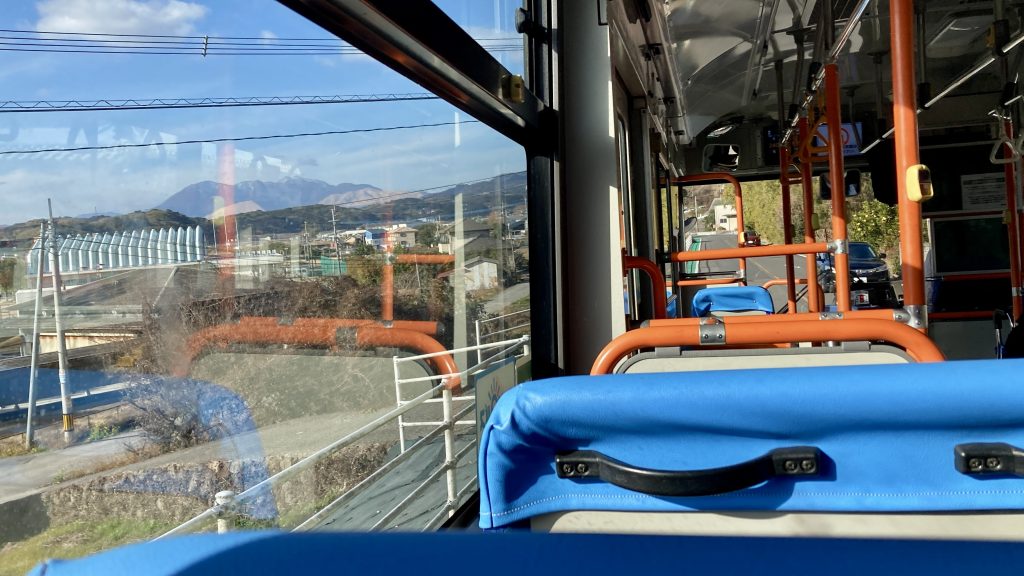
After approximately 10 minutes, I arrived at JR Kitsuki Station.
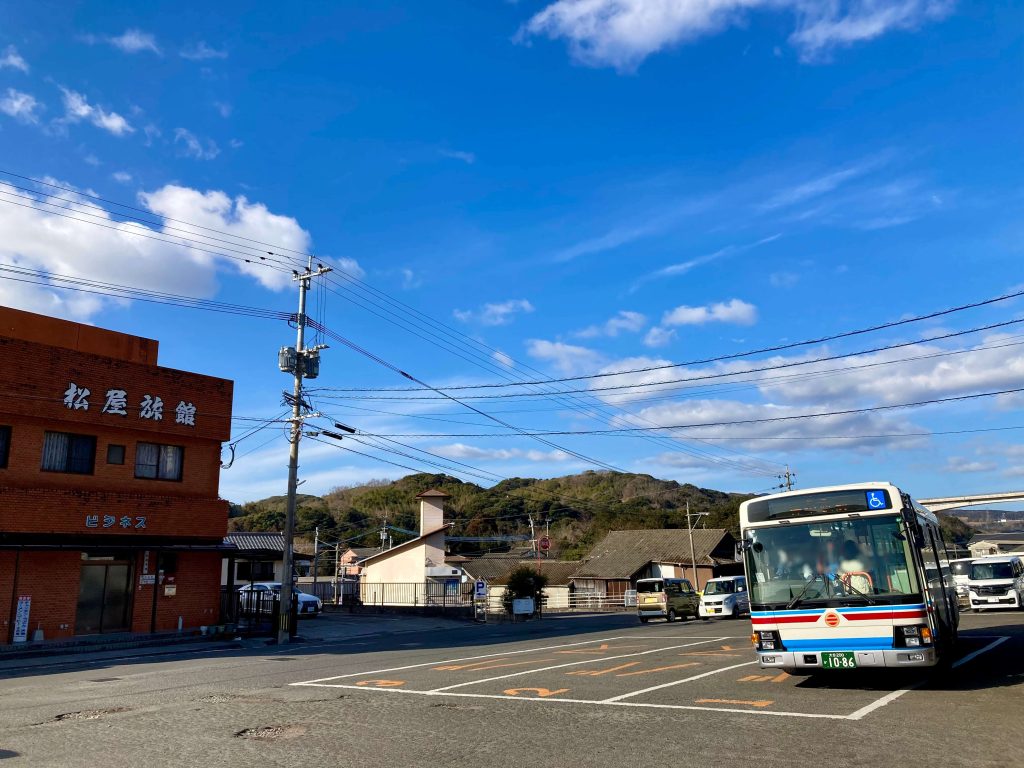
From JR Kitsuki Station to Beppu Station
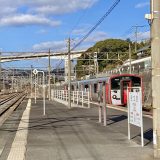
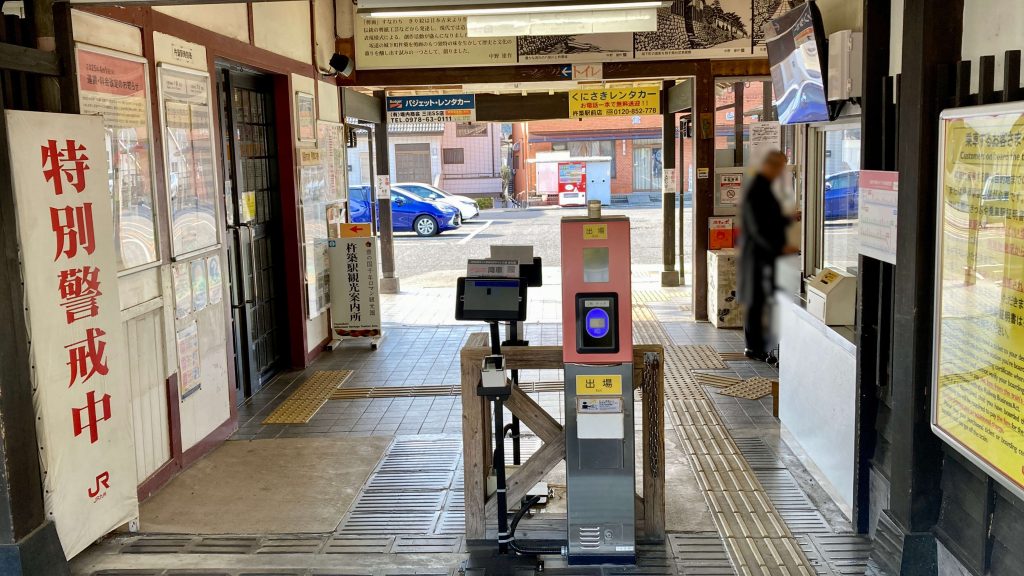
JR Kitsuki Station features a charming wooden station building that reflects the historic atmosphere of the castle town. A station attendant is always present at the ticket counter, and the station is equipped with ticket vending machines and supports IC cards for convenient travel.
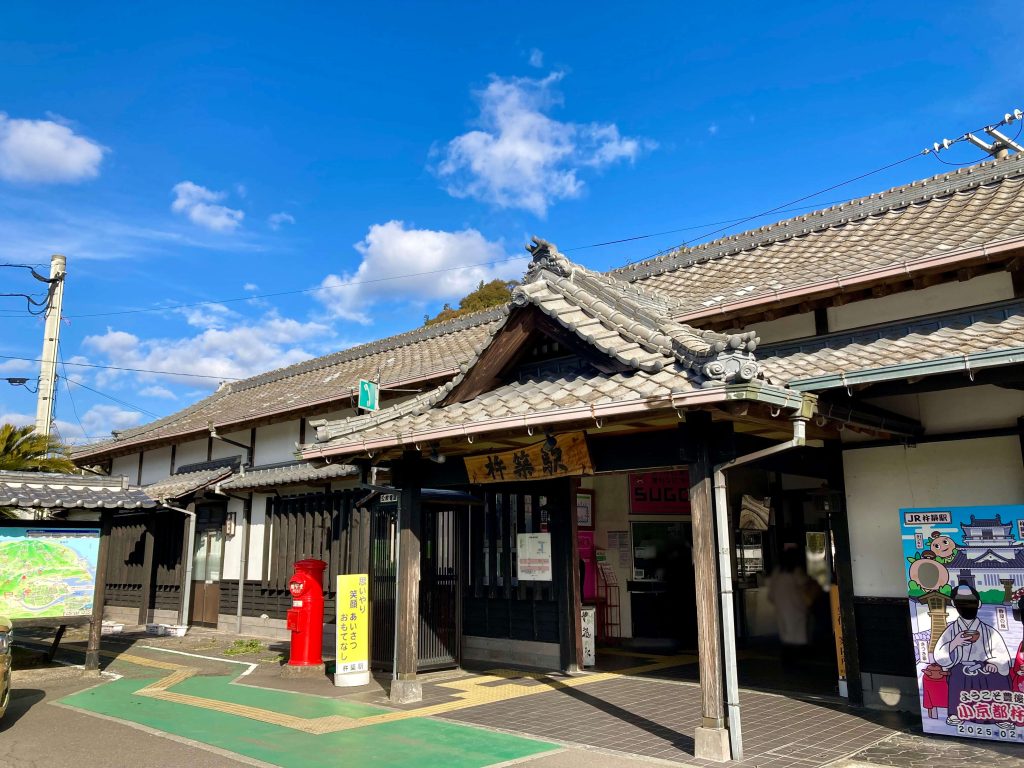
Inside the station, you’ll find a taxi stand, vending machines, public restrooms, a coin-operated parking lot, a bicycle parking area, and a waiting room. However, there are no commercial facilities nearby, so if you have some time before your train or bus, the waiting room is the best place to stay.
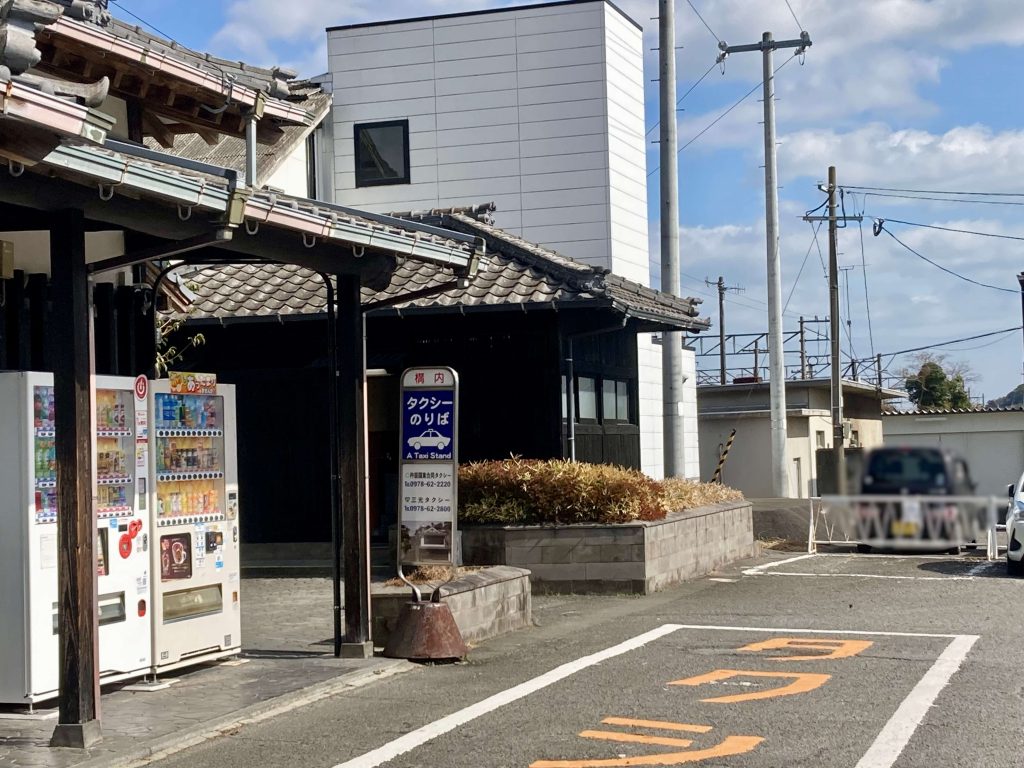
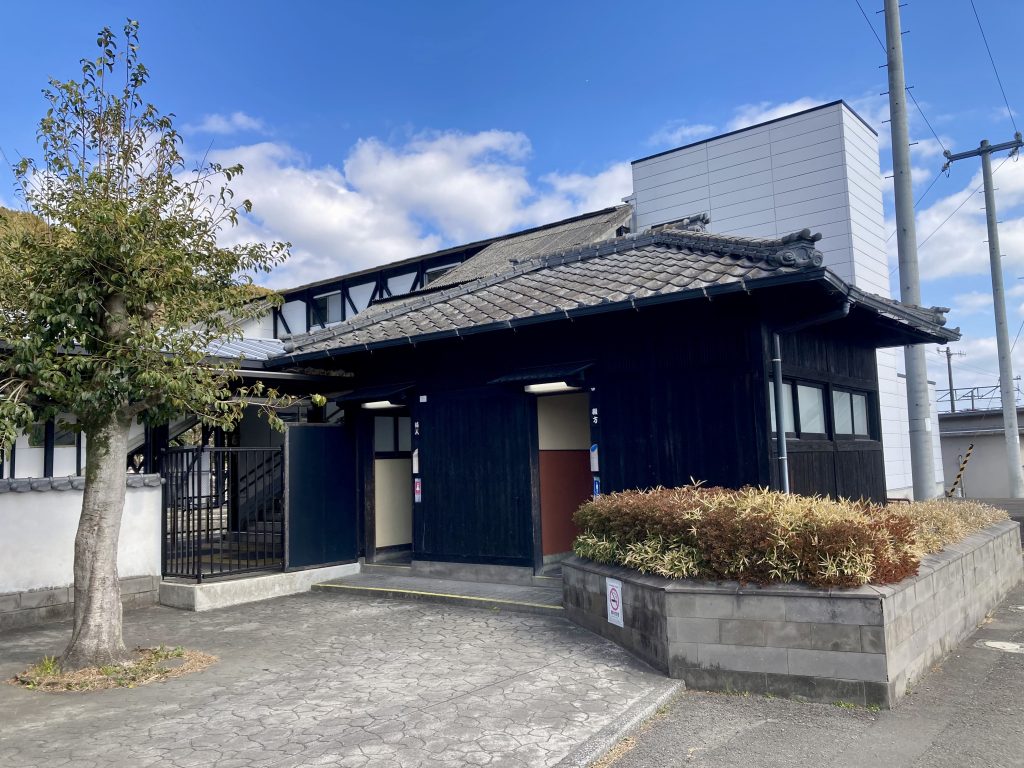
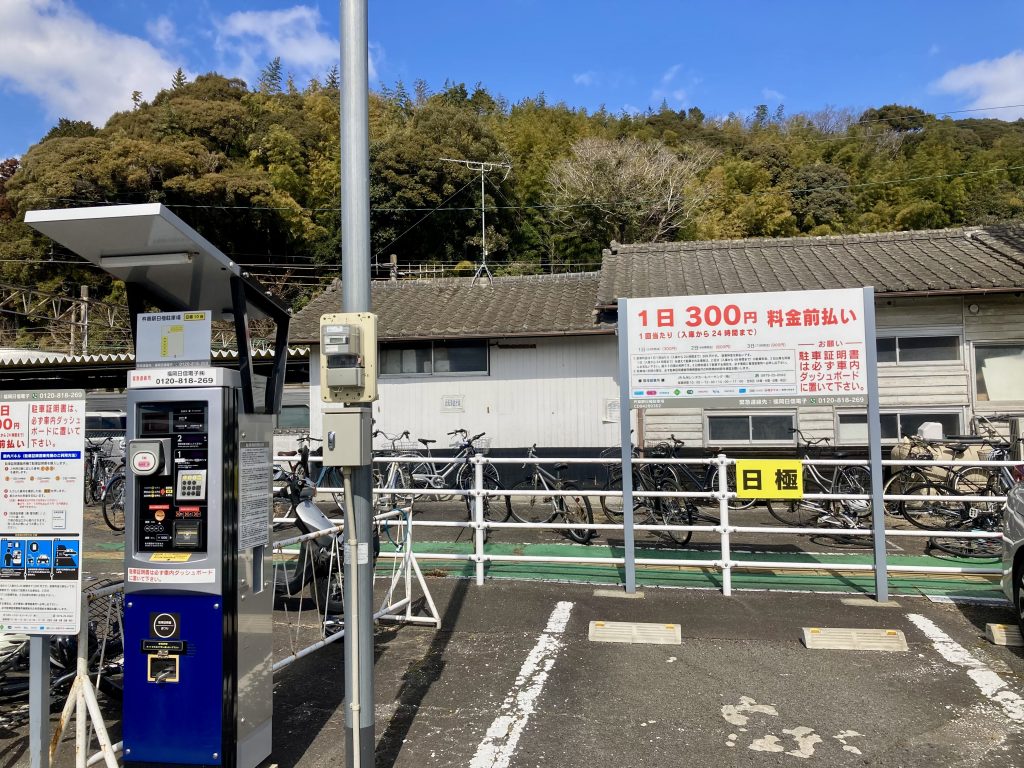
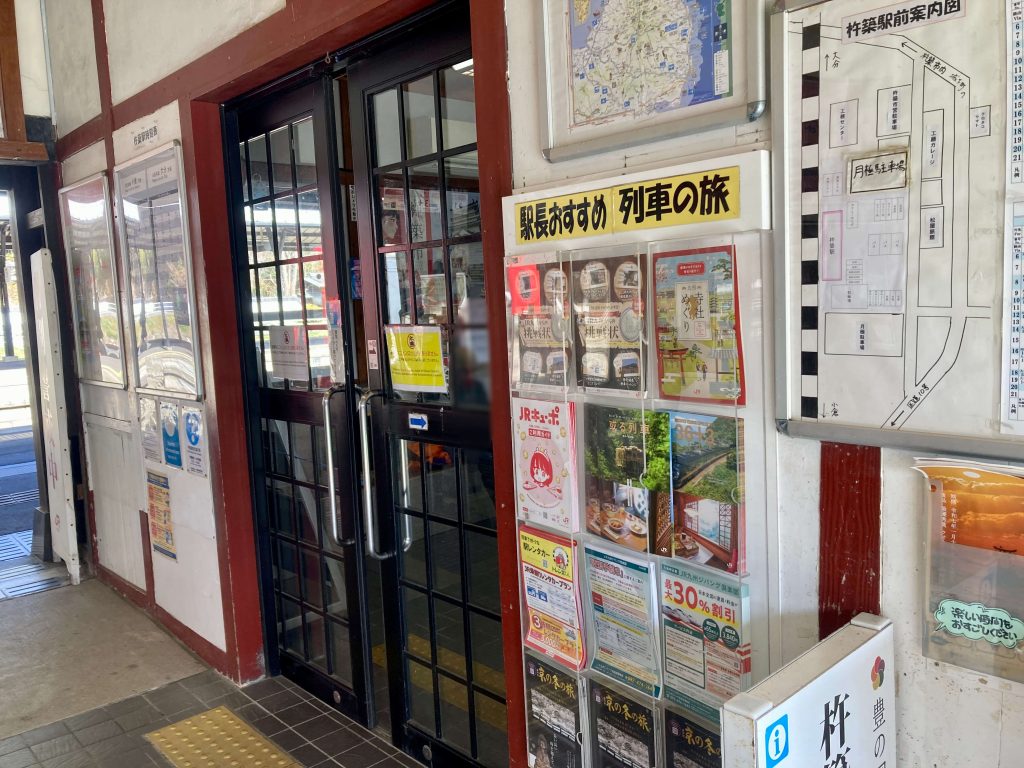
There are no automatic ticket gates, so passengers with paper tickets can pass through directly. Mobile Suica and other IC cards are also accepted without any issues.
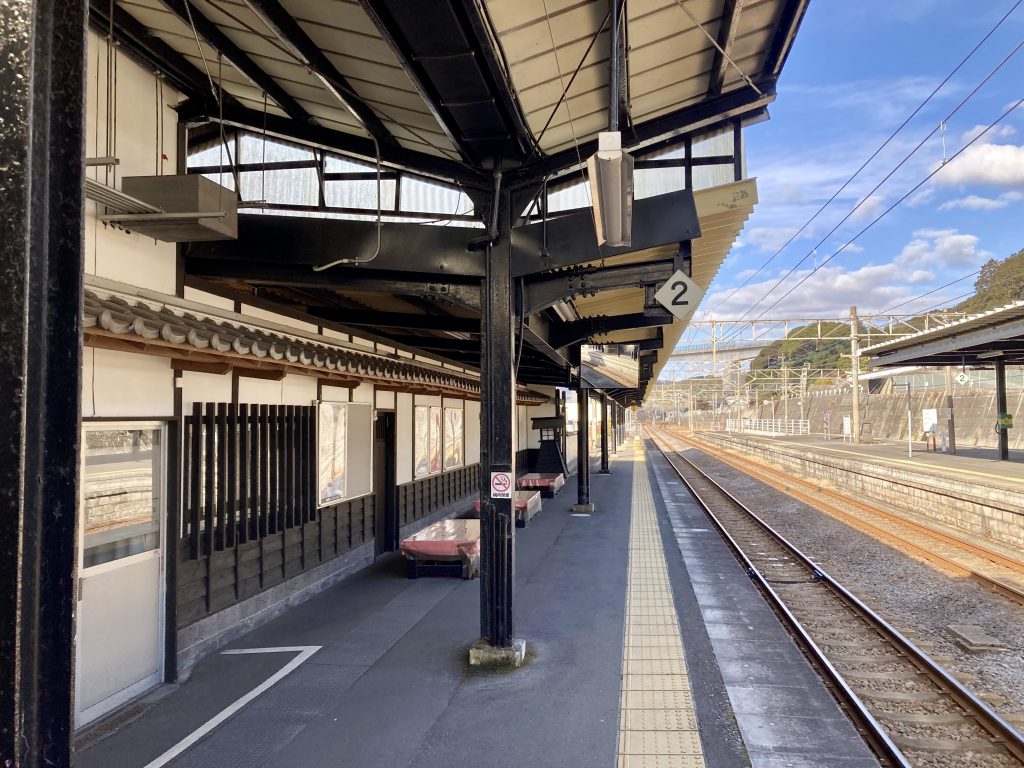
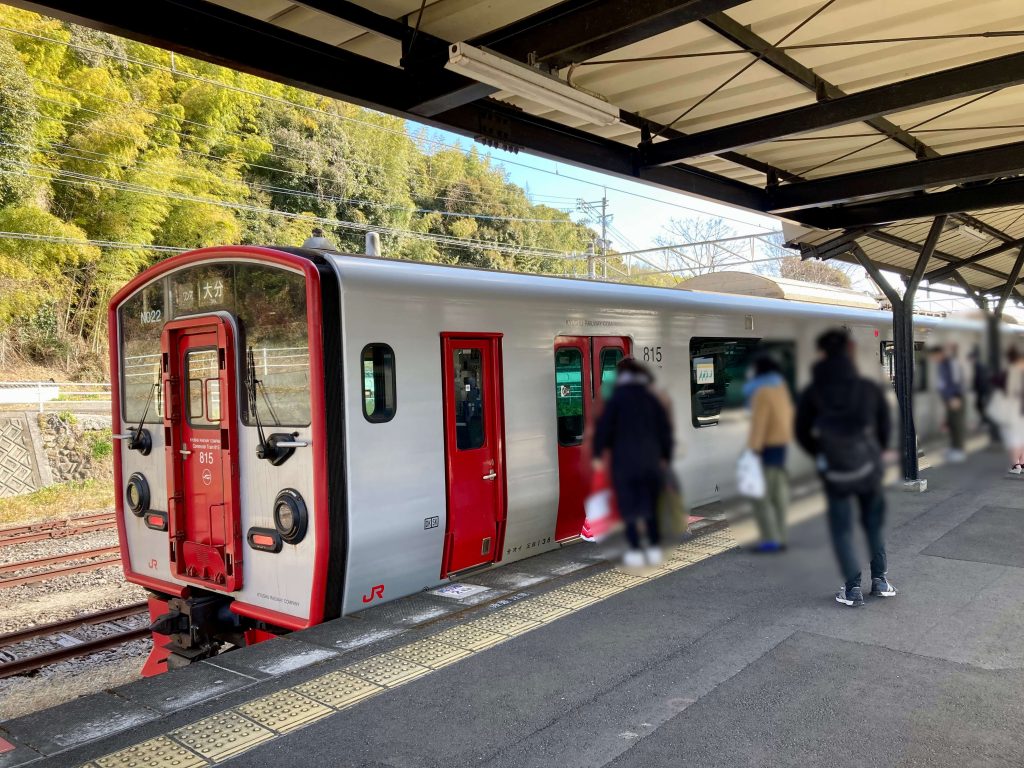
I boarded the 9:24 AM local train, with only about a 10-minute wait after arriving at the station. The train had two cars, and while seats were available at first, it became increasingly crowded as we approached Beppu, eventually filling up.
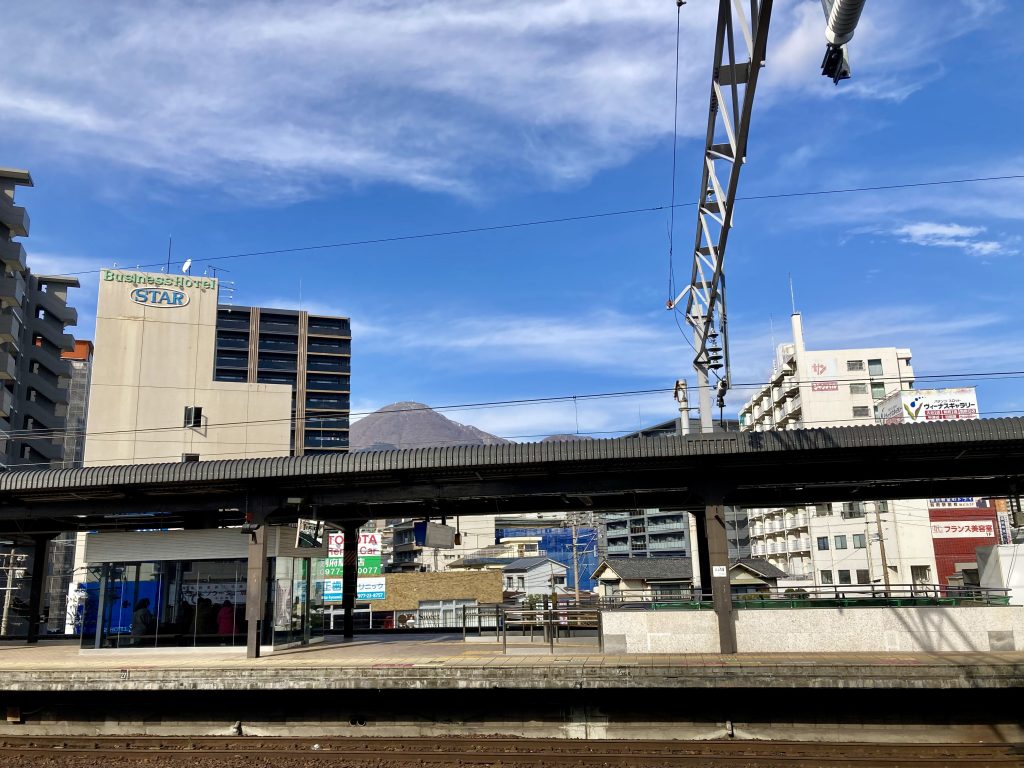
After approximately 34 minutes, I arrived at Beppu Station at 9:58 AM. The large mountain visible from the station is Tsurumi-dake, a popular sightseeing spot that can be accessed via ropeway.
At the station gate, a noren curtain with the iconic hot spring symbol warmly welcomed visitors, adding to Beppu’s famous onsen atmosphere.
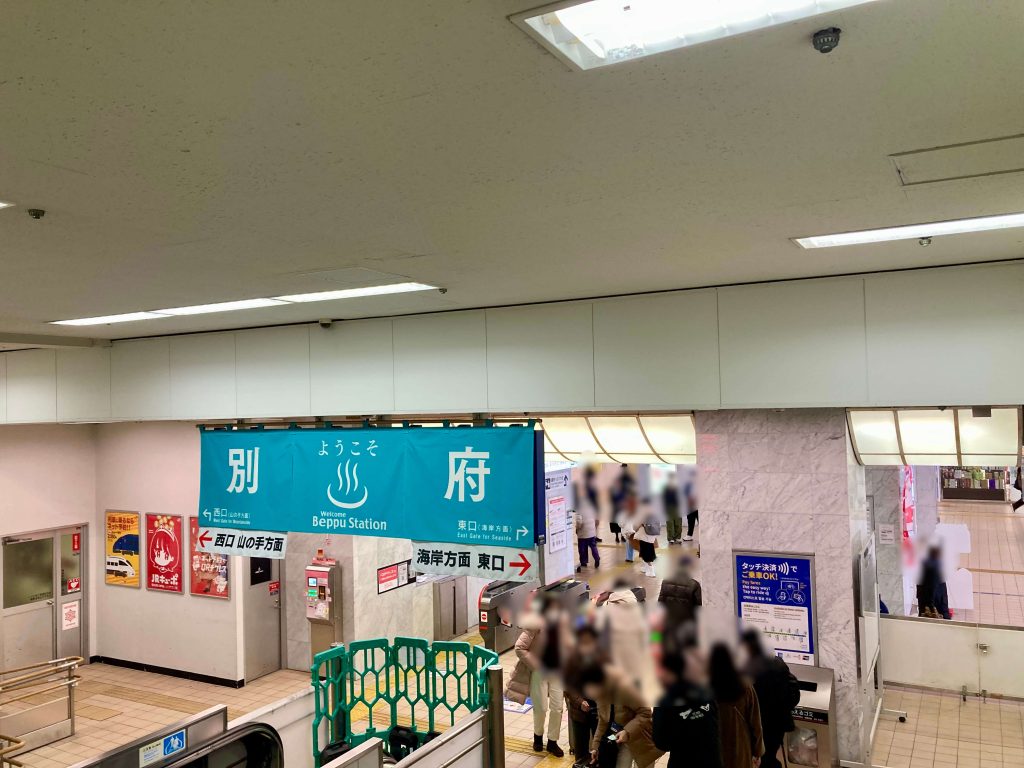
The total travel time from central Kitsuki City to Beppu Station, including waiting times, was about one hour. By car, the journey would take around 30 to 40 minutes.
Enjoying an Onsen and a Seafood Bowl in Beppu
Upon arriving at Beppu Station, I was immediately surrounded by the lively atmosphere of a bustling tourist destination. The station area is lined with souvenir shops and restaurants, and you can spot many visitors from both Japan and abroad.
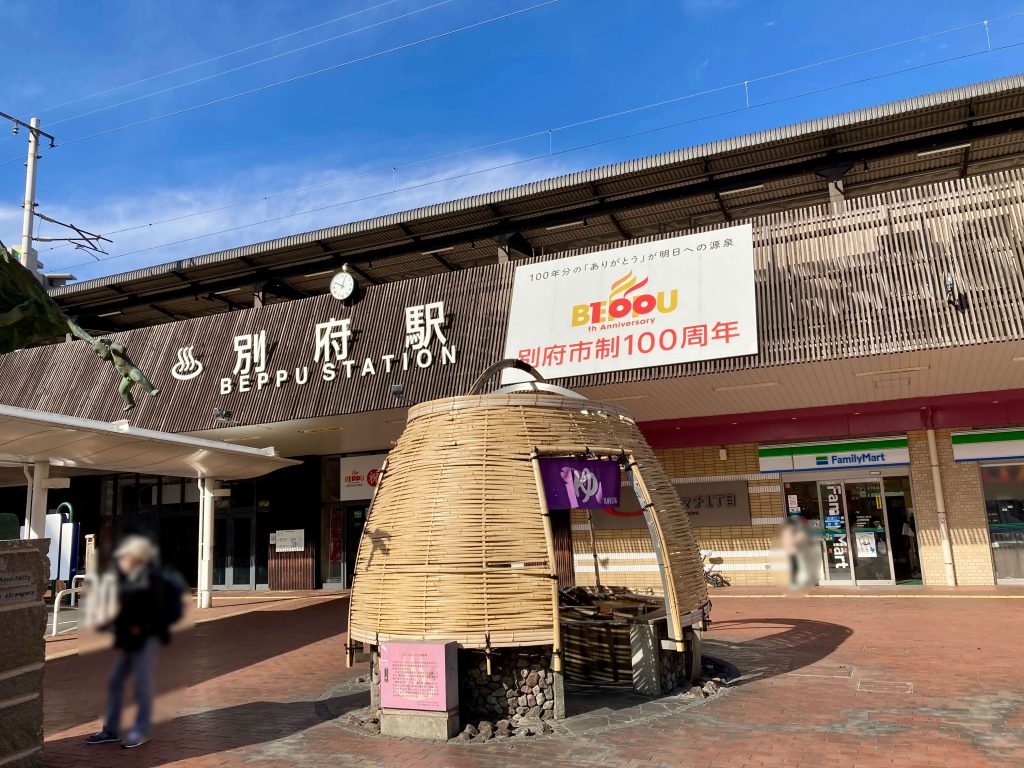
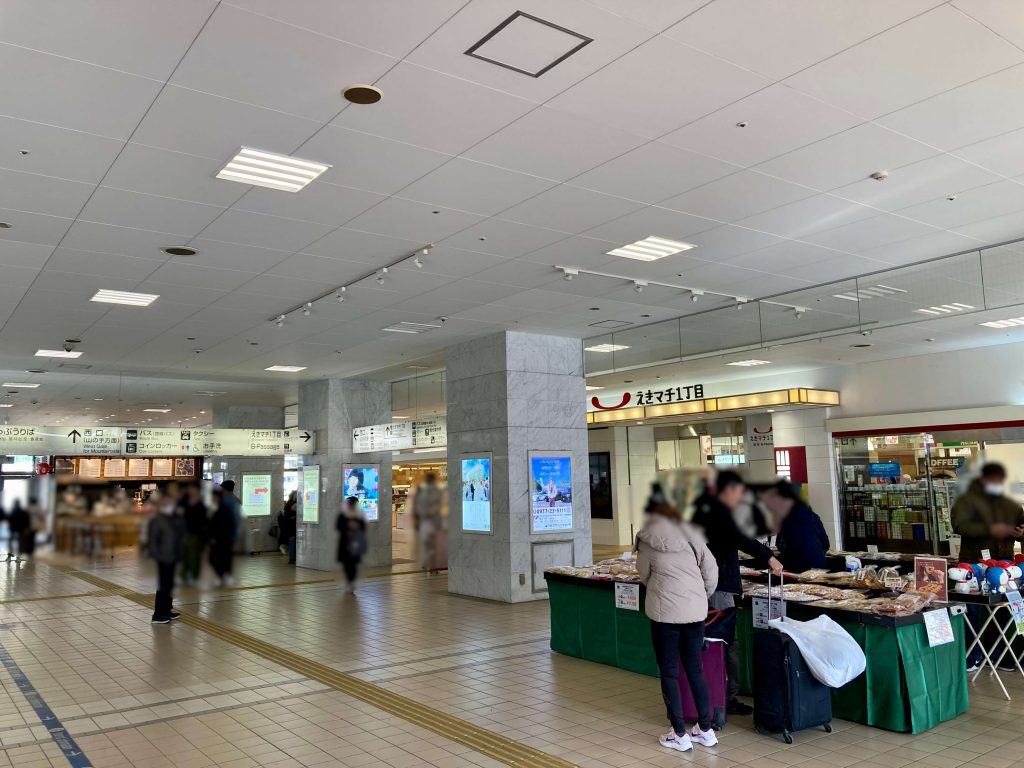
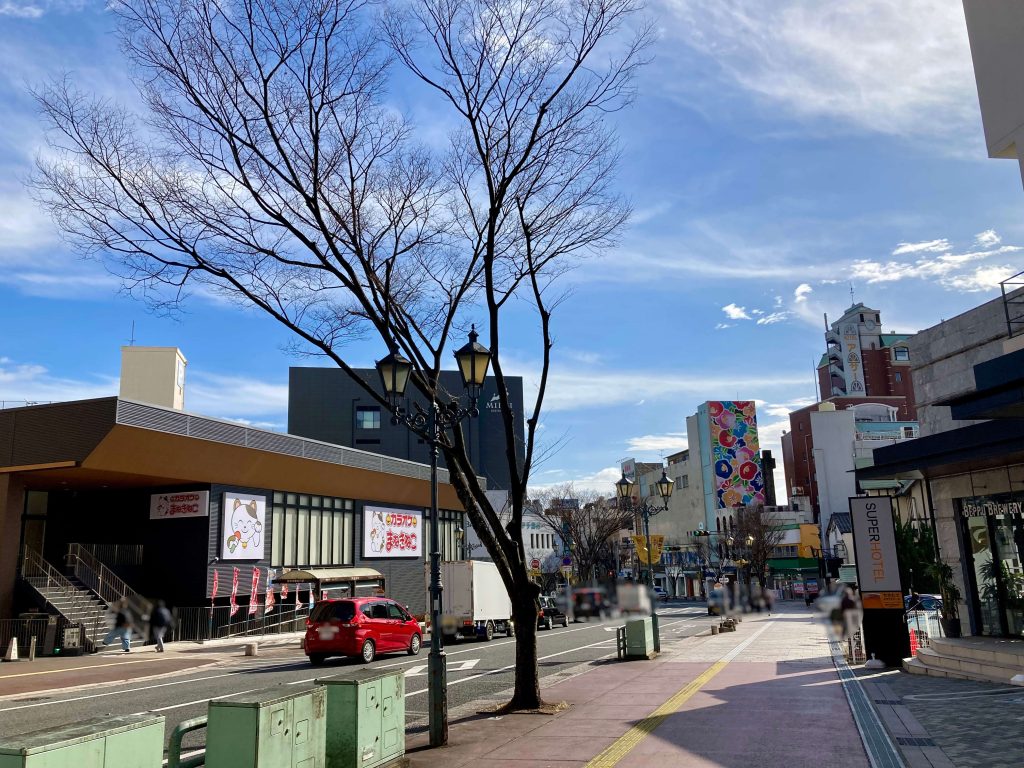
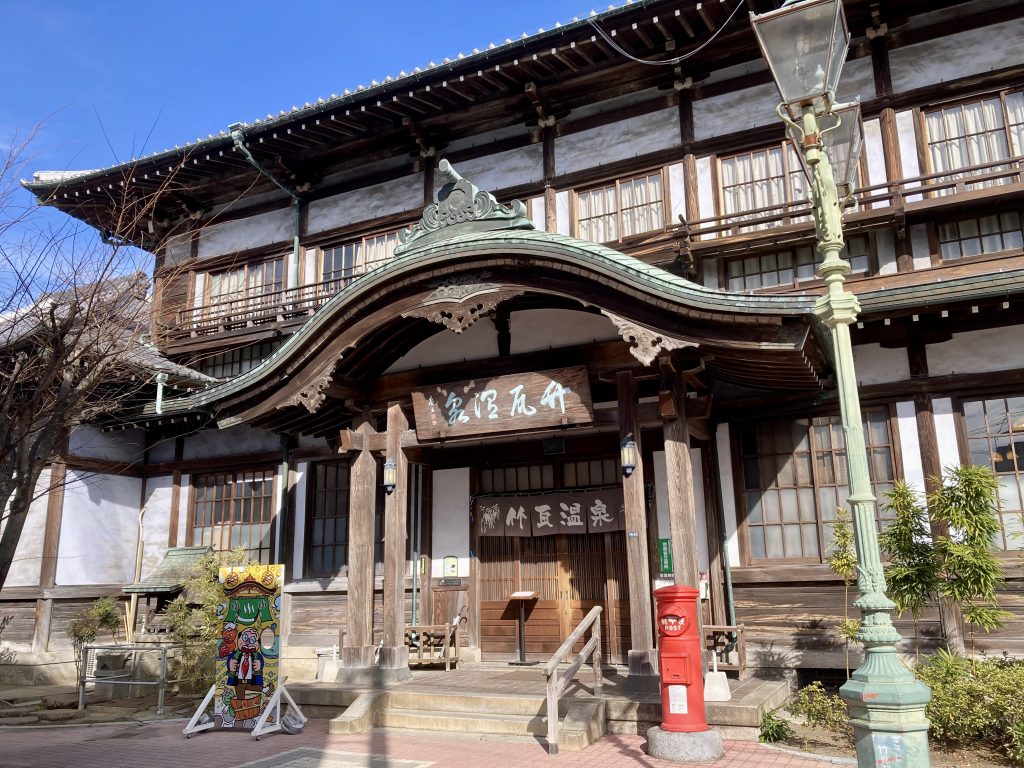
Beppu is synonymous with hot springs, so I couldn’t miss the chance to experience one of its historic bathhouses. This time, I visited Takegawara Onsen, an establishment that has been in operation since the Meiji era. This retro-style public bathhouse is famous for its charming, traditional architecture.
The building itself has a nostalgic feel, reminiscent of scenes from Studio Ghibli’s “Spirited Away”. Loved by both locals and tourists, Takegawara Onsen offers an authentic Beppu hot spring experience at an incredibly affordable price. If you’re looking for a simple yet satisfying onsen visit, this is the perfect place.
After a refreshing soak, it was time for an early lunch.
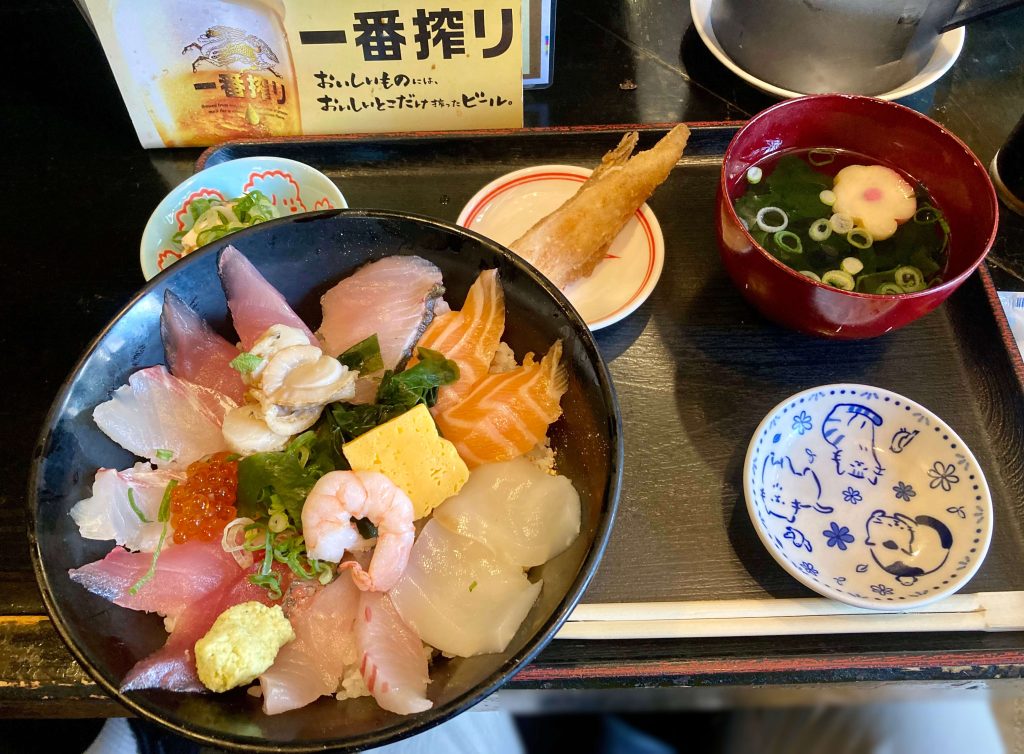
Beppu is well-known for its fresh seafood, with many restaurants offering delicious options. For this trip, I opted for an affordable yet generously portioned kaisendon (seafood bowl). Packed with an assortment of fresh fish, the dish was not only visually appealing but also incredibly satisfying.
There’s nothing quite like enjoying a flavorful seafood bowl after soaking in a rejuvenating hot spring—it’s truly a match made in heaven. I’ll be sharing more details about this onsen and seafood experience in a separate blog post!
 How to Get from Beppu Station to Takegawara Onsen & Onsen Experience | Perfect for Solo Travelers!
Return Journey (Beppu to Kitsuki)
Feeling fully refreshed from the onsen and satisfied from a great meal, I headed back to Kitsuki on the 12:05 PM train. Since the next train was 30 minutes later, I made sure to get to Beppu Station in advance to avoid any delays.
After a smooth ride on the JR Nippo Main Line, I arrived at Kitsuki Station at 12:30 PM. The next bus was scheduled for 12:50 PM, so I took a break in the waiting room, which had a TV and heating, making it a comfortable place to relax.
Unlike the outbound journey, where I took the Shindo route, the return bus followed the Nakadai route, meaning I got off at Gion Bus Stop—about 600 meters away from the Shindo bus stop. While the changing bus routes depending on the time of day can be a bit inconvenient, the distance was short enough to consider it a light stroll. Checking the bus schedule and routes in advance can help make the transition smoother.
Summary
Traveling from Kitsuki to Beppu without a car is quite manageable, but a little planning goes a long way in ensuring a smooth journey. Understanding the bus schedules, routes, and payment methods in advance can make your trip even more convenient.
Here are some key takeaways from my trip:
- Kunisaki Kanko Buses do not accept IC cards, so having cash on hand is essential.
- Trains do accept IC cards, making it easy to travel just like in urban areas.
- Trains have limited carriages, and while seats are usually available, they can fill up quickly, especially closer to Beppu.
- Bus and train frequencies are low, so checking the schedule beforehand is crucial.
- Expect waiting times of 20–30 minutes, so bring a book or something to pass the time.
- Bus routes change depending on the time of day, which may affect the location of your drop-off point.
- No late-night buses, so alternative transportation options like taxis or bicycles may be necessary.
As long as you check your transportation options in advance, getting around without a car is entirely feasible.
While buses and trains may not run as frequently as in big cities, planning ahead allows for a stress-free and enjoyablejourney. In fact, the slower pace of travel adds to the charm, letting you soak in the scenic views and truly enjoy the experience.
Why not take a leisurely trip, embrace the relaxed pace, and indulge in Beppu’s famous onsen and seafood?